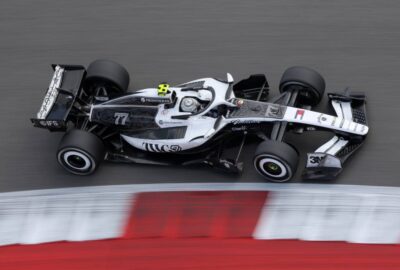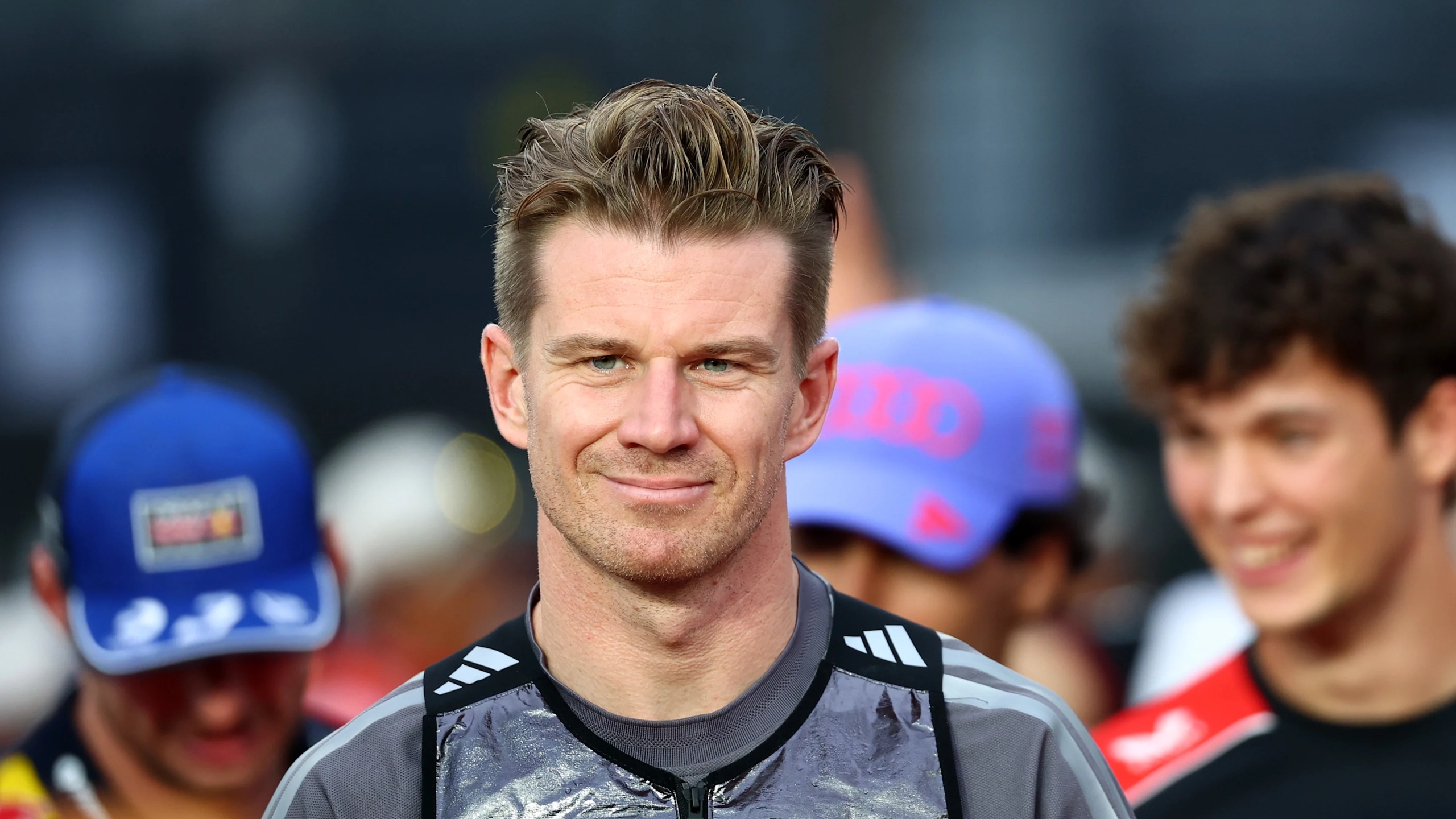
Hülkenberg held eighth ahead of Russell in Singapore on October 11. In F1's October 12 report he explained a defensive key: better rhythm and closing on Lawson supplied a slipstream, reducing drag and improving straight-line speed.
Opening-lap gains establish the defensive position
Qualifying eleventh, he started tenth after Russell's power-unit penalty. Passing Gasly and Lindblad on lap one placed him behind Lawson and immediately in points, avoiding a prolonged wait for overtaking among similarly paced midfield cars.
He recalled good initial feel and line judgment, gaining inside Turn 2 and on exit. Similar Audi, Racing Bulls and Alpine pace made that early track position particularly valuable.
Pursuing ahead also reduces attacks from behind
When nineteenth-starting Russell caught him, Hülkenberg was initially unsure he could defend. A better rhythm reduced the gap to Lawson and gave indirect slipstream help. Improved straight speed made defense more than passive reaction.
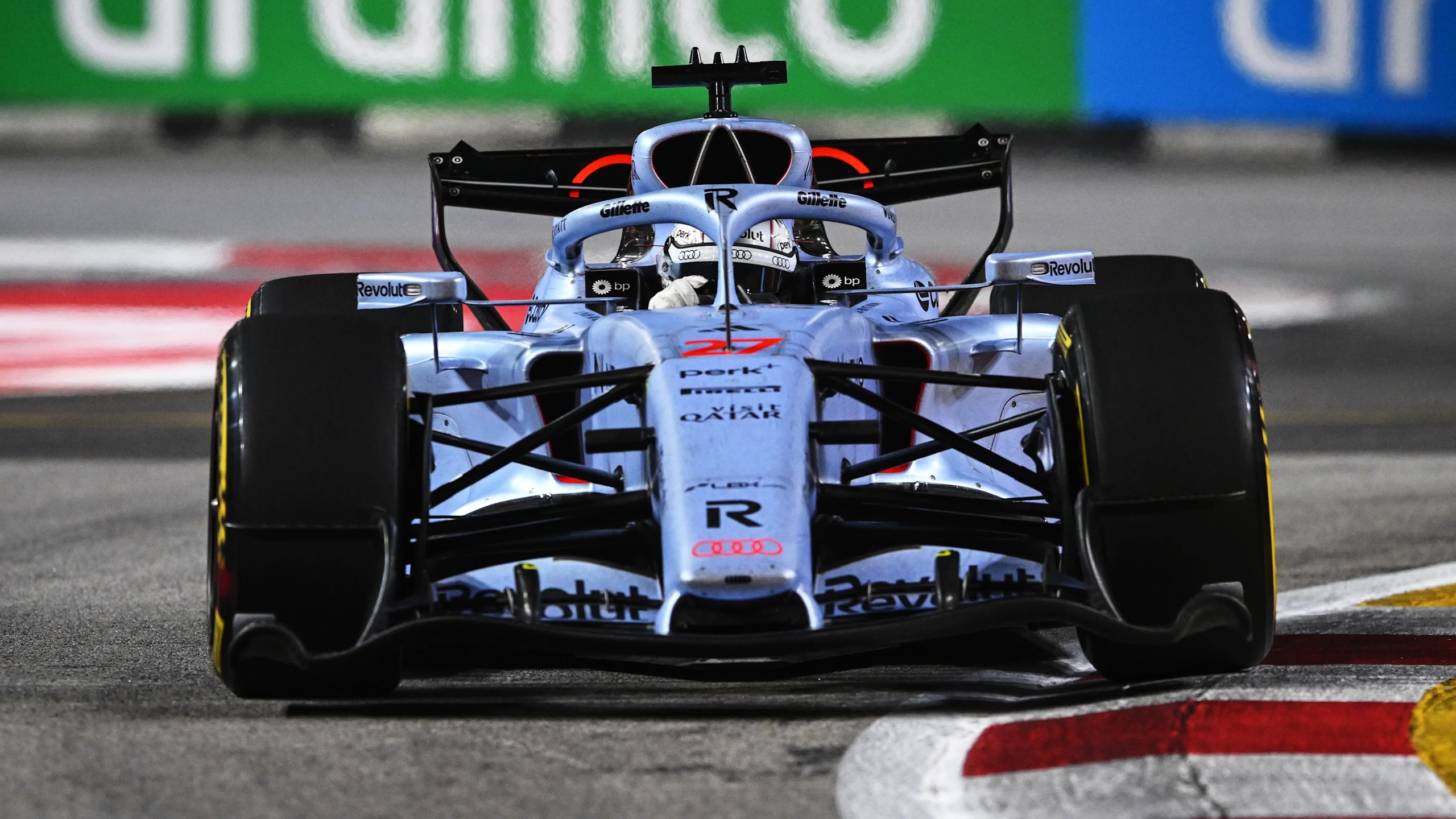
McNish praised the last ten or so laps. Russell was clearly faster, but Hülkenberg kept speed in important places and defended without overdoing it, later easing clear of Mercedes and nearing Lawson. Audi had lost a point on the final lap at each of the previous two rounds, Baku and Sepang, making retention especially meaningful in the garage.
INKA SPORTS analysis: Keeping eighth requires a complete stretch of pace
His feedback links the battles ahead and behind. Blocking alone could lose Lawson; closing provided the straight-line assistance he identified. McNish's restraint assessment fits protecting position while maintaining progress.

The opening position also enabled late defense. Comparable midfield pace made being behind Lawson useful against a faster Mercedes. This is judgment within this traffic environment, not proof Audi is faster; it depends on distance, straights and the defender's rhythm.
Conclusion
Hülkenberg connected early gains and late pursuit: enter points, then retain following speed while defending. Eighth shows restrained defense can preserve a result against faster pace. Repetition depends on similar position and the car ahead next time.