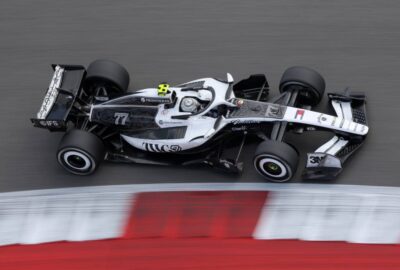
After Singapore Grand Prix qualifying on October 10, Lewis Hamilton felt a small setup change before the final segment had made the car more prone to snap oversteer and compromised his lap. Charles Leclerc finished second and Hamilton third, with Max Verstappen taking pole.
Both Q3 laps affected by snap oversteer after a small front-wing change
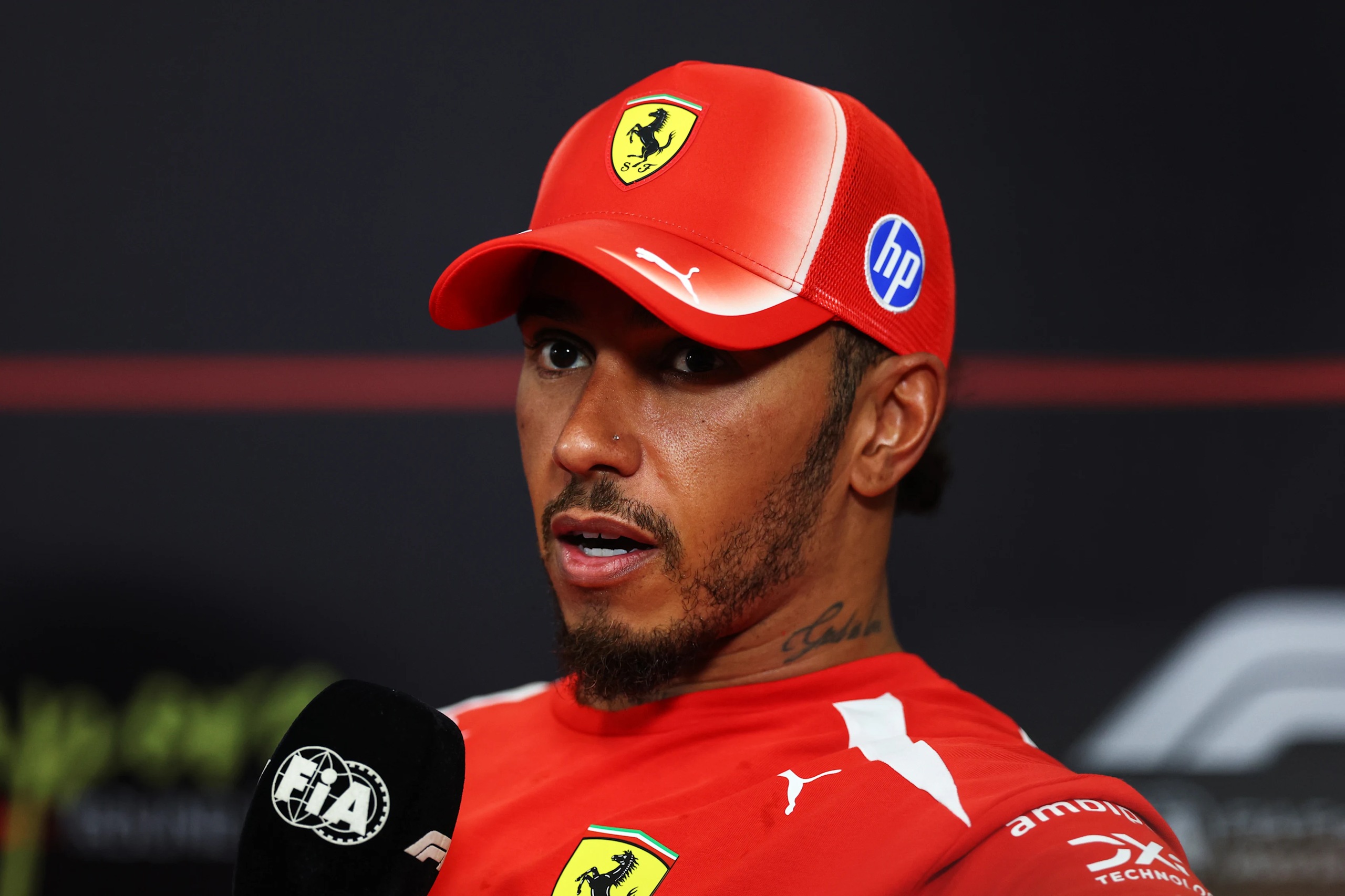
At the FIA post-qualifying press conference, Hamilton said the engineers’ and mechanics’ work between the Sprint and qualifying had improved the car. He felt very good in Q1 and Q2 and still believed the car had more potential after completing his laps.
According to Motorsport.com’s post-session report, he slightly increased the angle of the right-hand front-wing flap before Q3, hoping to find more speed. He described it as a very small front-wing adjustment but believed he had gone too far, making the car more prone to snap oversteer and preventing both crucial laps from meeting expectations.
Hamilton said snaps at Turns 1 and 3 cost him about 0.2 seconds, with the same type of problem affecting his final attempt. He had wanted to adjust as track grip improved, but in hindsight thought he might have been better leaving the previous setup alone.
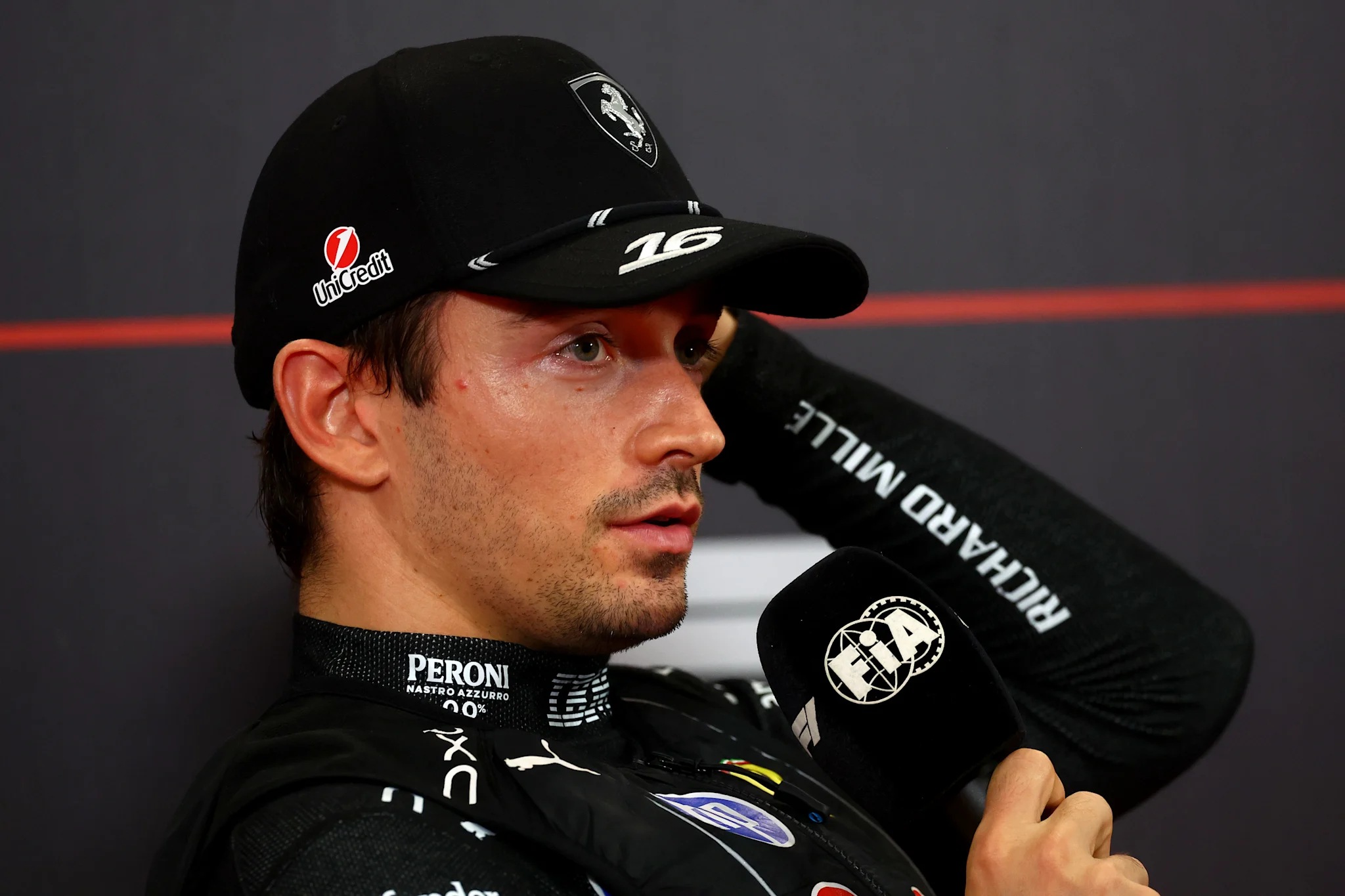
Leclerc struggles with pulling under braking before improving on his final lap
At the same press conference, Leclerc said the car had pulled to one side under braking in Q1 and Q2, undermining his confidence. The situation improved slightly in Q3, and a more committed final lap secured a front-row position. He still felt he had not put the whole session together fully.
Leclerc believed the car had pole potential, while Hamilton felt he had left some speed untapped. Hamilton’s main difficulty was snap oversteer after the change; Leclerc had to overcome a lack of confidence under braking. Their driving experiences in the final segment were not the same.
INKA SPORTS analysis: why an improved Q3 time still meant losing the lead
Motorsport.com’s comparison across the segments showed Hamilton topping Q1 and Q2. His Q3 lap was still slightly faster than in Q2, but Leclerc and Verstappen improved more. His final-segment difficulties therefore cannot simply be interpreted as the car becoming slower. His own time improved, but not enough to maintain his advantage over his main rivals. The pace from the first two segments did not translate into an advantage in the final grid order.
Comparisons between segments also need to account for changing track grip; not every lap-time difference can be attributed to one setup change. Hamilton offered a more specific clue: he adjusted the front wing to find further speed, then experienced snap oversteer on both Q3 attempts. In his assessment, that trade-off reduced his ability to negotiate the critical corners. The difficulty was in consistently realising the car’s speed, rather than proof that the speed was absent.
Conclusion
This qualifying session illustrated the difference between lap potential and the final result. Ferrari was competitive, but both drivers felt they had not extracted everything. For the Grand Prix, Hamilton hoped to use second and third on the grid to work with Leclerc and pressure Verstappen.