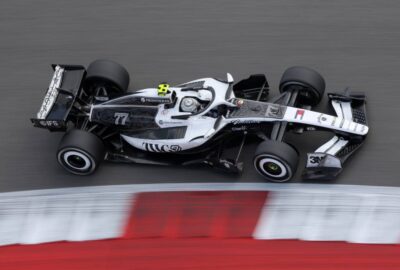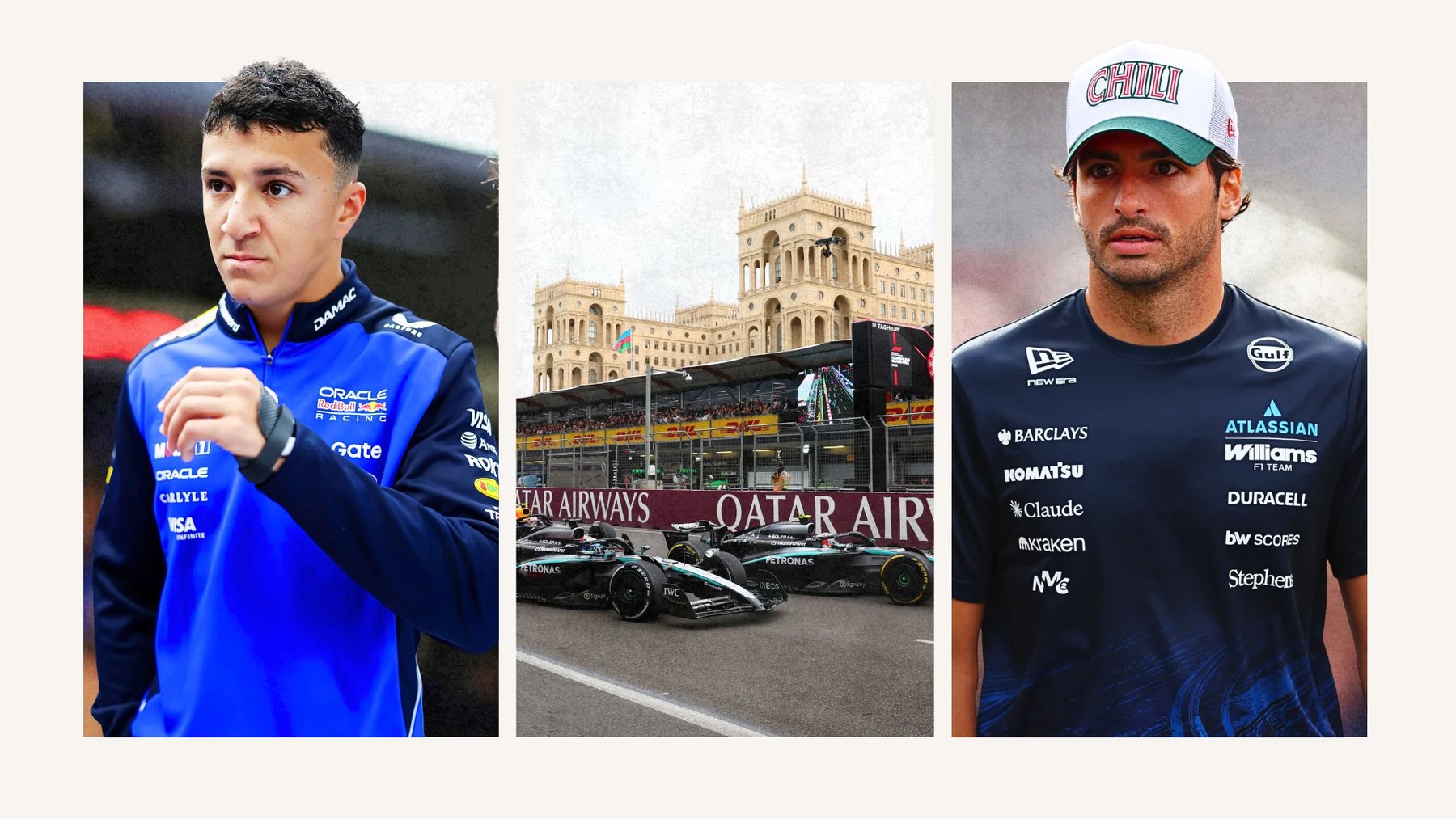
The 2026 F1 Azerbaijan Grand Prix will take place on 24–26 September, with practice, qualifying and the race scheduled across Thursday, Friday and Saturday. Williams’s preview explained that, because 27 September is Azerbaijan’s Remembrance Day, the entire event weekend had moved forward by 24 hours at the request of the promoter and local government. The race will start in Baku at 19:00 China Standard Time (UTC+8) on 26 September.
Active aerodynamics changes the trade-off between straights and corners
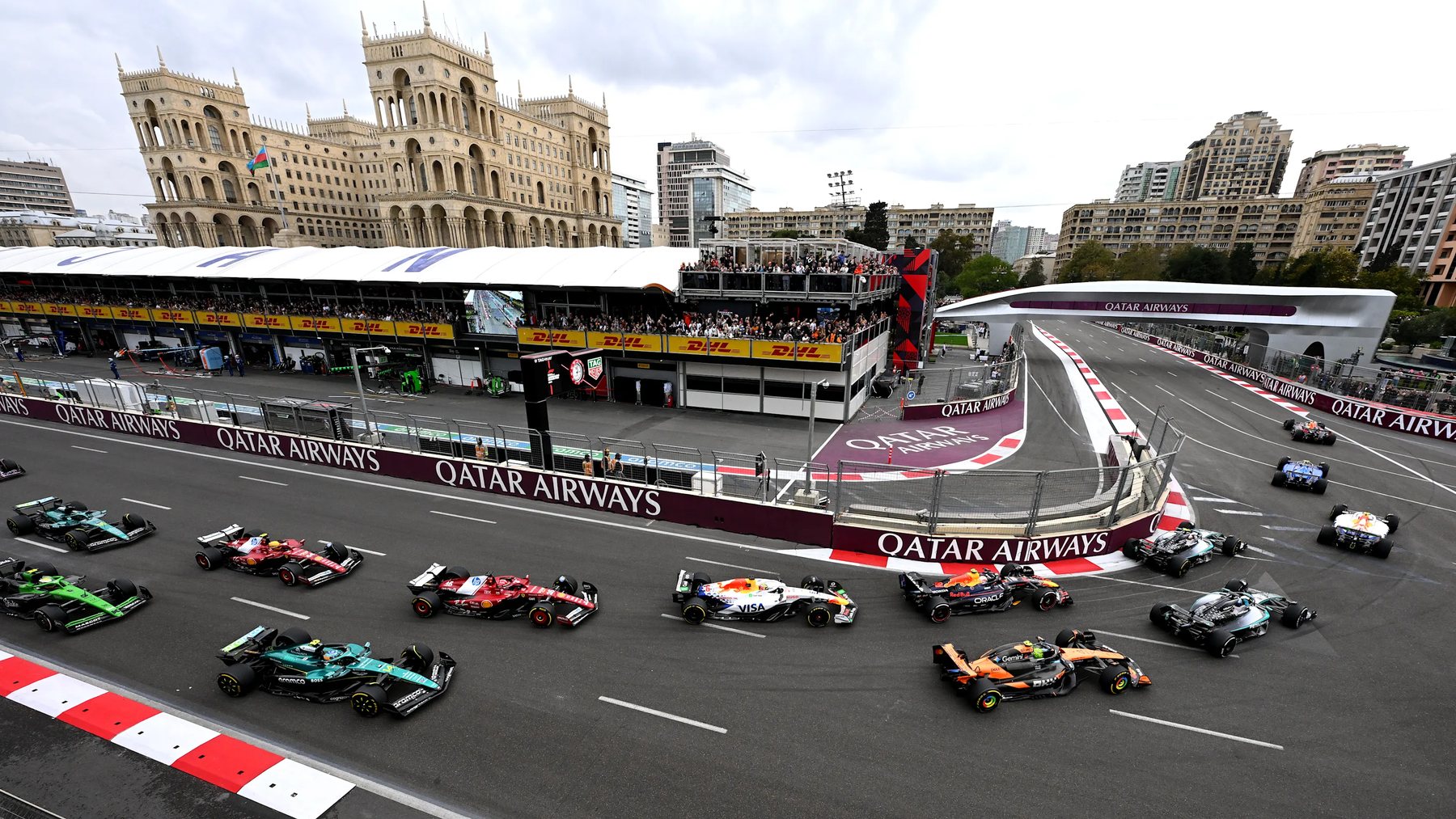
Baku’s lap is 6.003 kilometres long, with the race covering 51 laps. The narrow old-town corners feed into a prolonged full-throttle section, requiring exit acceleration and subsequent electrical deployment to be considered together. Williams Chief Trackside Engineer Paul Williams described the circuit as having medium-to-high sensitivity to energy management. His pre-race technical briefing stressed the importance of sufficient charge when leaving Turn 16 for the long acceleration that follows.
The 2026 straight-line mode changes the conditions of that compromise. McLaren Chief Technical Officer and Chief Designer Rob Marshall explained that it can reduce drag on straights while retaining the downforce needed in corners, though car design, setup and driver execution still matter. Active wing surfaces allow separate adaptation to the aerodynamic needs of straights and corners. Managing electrical energy during sustained acceleration remains a distinct task; both need optimisation during practice.
Marshall also noted that tyre and brake temperatures would be relatively low on arrival at Turn 1 after the long straight. Williams’s technical briefing added that Baku imposes low lateral loads on the tyres, making it difficult to bring front and rear into the right temperature windows simultaneously in qualifying. Seeking a tow also requires balancing traffic and the risk of yellow- or red-flag interruptions. Preparing a fast lap means gaining acceleration while retaining usable grip for heavy braking and slow corners.
Viewing schedule in China Standard Time (UTC+8)
Baku local time is UTC+4 and China Standard Time is UTC+8. The table already adds 4 hours throughout. The race takes place on Saturday.
| Date | Session | China Standard Time (UTC+8) |
|---|---|---|
| 24 September (Thursday) | Free Practice 1 | 16:30—17:30 |
| 24 September (Thursday) | Free Practice 2 | 20:00—21:00 |
| 25 September (Friday) | Free Practice 3 | 16:30—17:30 |
| 25 September (Friday) | Qualifying | 20:00—21:00 |
| 26 September (Saturday) | Race | 19:00 start |
Times are converted from F1’s official schedule and McLaren’s pre-event timetable. Event announcements take precedence in the event of changes. For circuit features, see the Baku circuit guide; for other rounds, see the F1 calendar and results.
According to the FIA’s drivers’ standings after the Spanish round, Antonelli had 292 points and Russell 211, a gap of 81. Norris had 186, 25 behind Russell. Baku will unfold against that championship backdrop. Qualifying track position, attack and defence on the long straight, and execution in heavy braking zones will all influence how drivers turn single-lap speed into race results.
INKA SPORTS analysis: top speed must be followed by the next braking zone
Assessing competitiveness in Baku requires connecting the Turn 16 exit, acceleration down the long straight and braking for Turn 1. Exit speed and battery preparation determine how fully the car can exploit the straight; the next stage requires accurate deceleration with relatively cool tyres and brakes. Straight-line mode reduces drag but does not automatically complete the preparation at either end. Practice should show whether teams can repeatedly connect the whole sequence, rather than a single speed-trap ranking being used to identify the strongest car.
Summary
The immediate viewing reminder is that the race has moved to Saturday, starting at 19:00 China Standard Time (UTC+8). The technical focus is the interaction of straight-line mode, energy deployment and tyre and brake temperatures. Teams must sustain acceleration on the long straight while ensuring the car can brake and turn effectively at Turn 1. Thursday practice offers the first test of that preparation, before Friday qualifying tests whether tyre warm-up, a tow and clear track can come together on one effective fast lap.