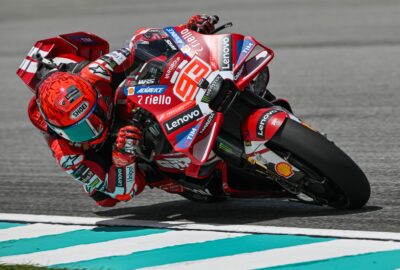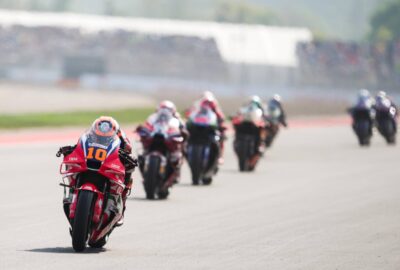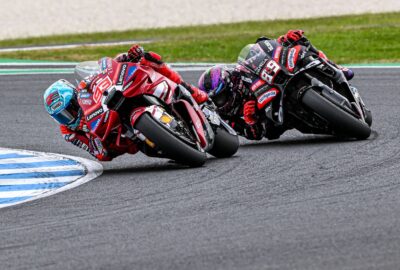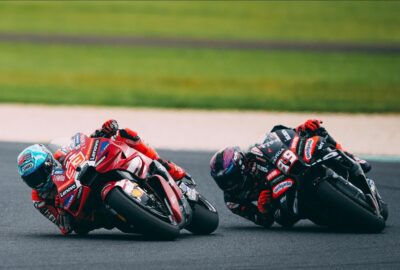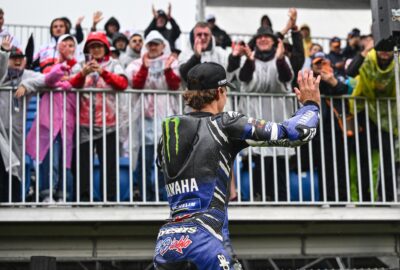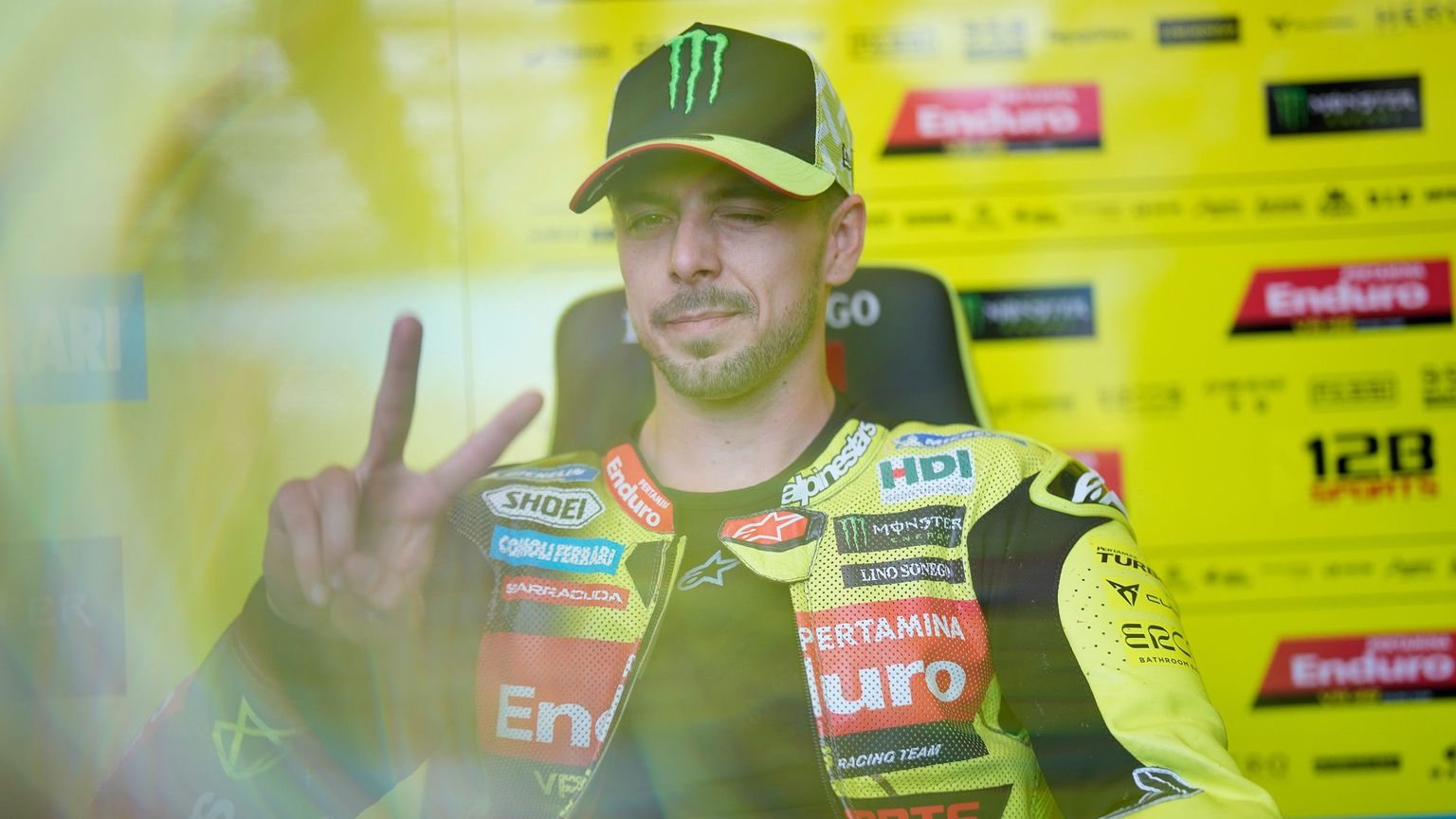
Discussion of separate qualifying for MotoGP’s Saturday Sprint has drawn reservations from VR46 rider Fabio Di Giannantonio. In a Motorsport.com interview on 23 September, he said he understood the wish to offer spectators more action but worried that additional sessions requiring maximum effort could affect riders’ ability to maintain their physical condition across a season.
Which sessions determine grid positions under the current format?
Motorsport.com had previously reported that teams, organisers and manufacturers had discussed separate Sprint qualifying with the aim of introducing it in 2027. The report also said the proposal still had to pass through the formal rule-making process and that the weekend timetable remained undecided. The idea at that point was for the Sprint and Grand Prix to have their own qualifying results instead of sharing one grid order.
Under MotoGP’s official weekend format, the top ten in Friday afternoon’s 60-minute Practice session advance directly to the second qualifying stage, Q2. The remaining riders contest Q1 for two more places. Saturday morning includes a 30-minute Free Practice session that does not determine Q2 eligibility, followed by Q1 and Q2, each lasting 15 minutes. Their results set the grids for both Saturday’s Sprint and Sunday’s Grand Prix. The pressure to secure Q2 entry on Friday is therefore already part of the weekend’s competition.
Riders want to retain less pressured practice opportunities
Di Giannantonio stressed that crashing a motorcycle can cause injury, rather than merely a minor brush with a barrier. Remaining ready throughout the year for moments requiring maximum attack is becoming increasingly difficult. He wanted changes intended to improve the spectacle to take riders’ physical condition into account as well.
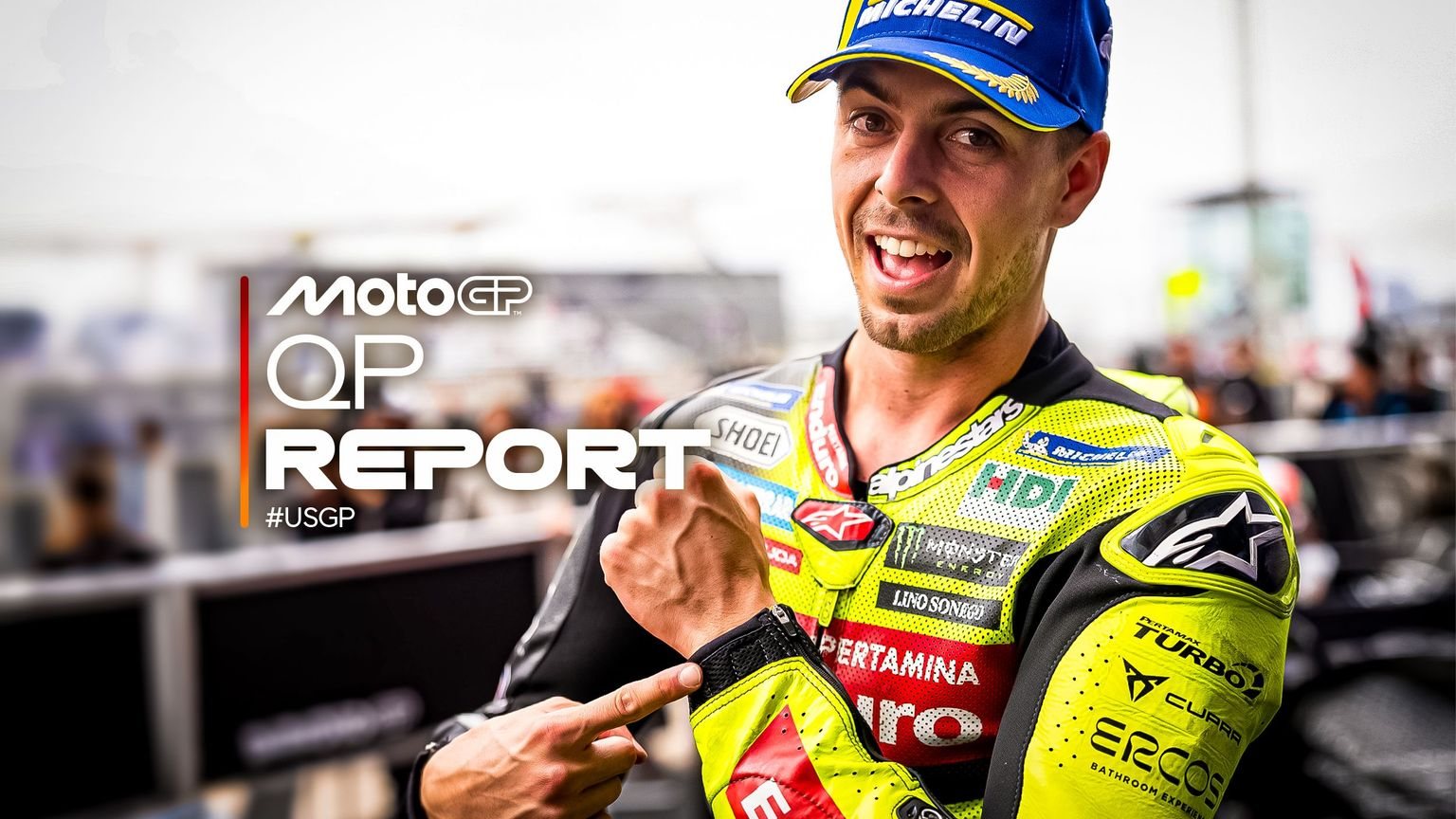
He described Friday as already demanding full commitment, with Saturday and Sunday equally busy. Rather than another qualifying session, he would prefer some practice in which riders could run more calmly. He also felt riders’ views currently carried limited weight in decision-making.
INKA SPORTS analysis: the purpose of practice matters beyond the race count
INKA’s assessment is that the 22 rounds on the 2026 calendar, each with a Sprint and a Grand Prix, produce a planned 44 races. That count does not include the pressure of securing Q2 entry in practice and fighting for grid positions in qualifying. Friday afternoon already determines whether riders avoid Q1, so high-intensity competition begins before the Sprint start. Counting races alone misses the sustained commitment Di Giannantonio highlighted.
Two qualifying sessions could determine each race’s grid independently, but the effect on preparation depends on their place in the weekend. If new qualifying replaces existing Free Practice, it also changes the opportunities to learn the circuit and assess settings. If practice is retained, the timetable must accommodate an extra maximum-effort timed session. The preparation role of Free Practice in the official format and riders’ desire for calmer running both need consideration when evaluating a specific schedule.
Summary
Separate Sprint qualifying raises questions about the balance between competition for grid positions and practice preparation, as well as how riders handle sustained intensity throughout a season. Di Giannantonio’s comments bring physical condition and practice opportunities into that discussion. The proposal still requires the formal process. How a specific timetable preserves preparation time and responds to rider feedback will explain the practical change better than the addition of one qualifying session alone.