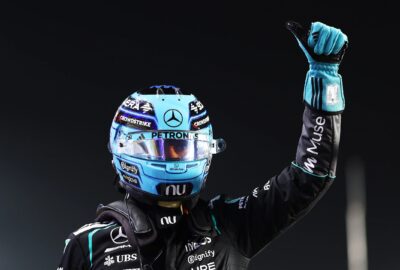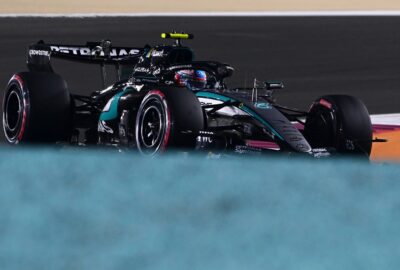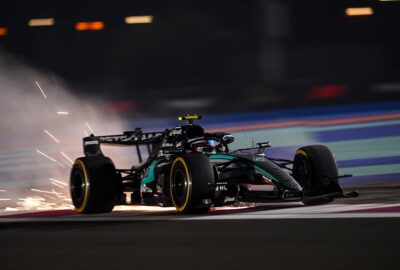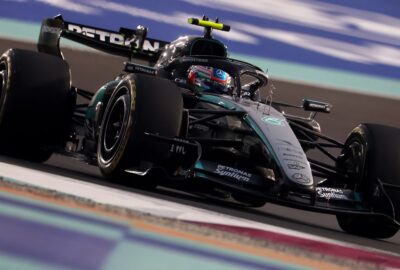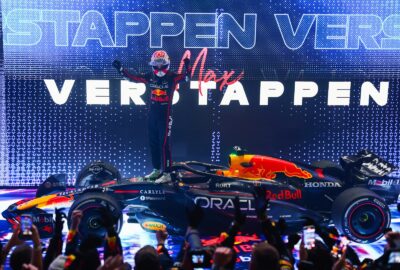
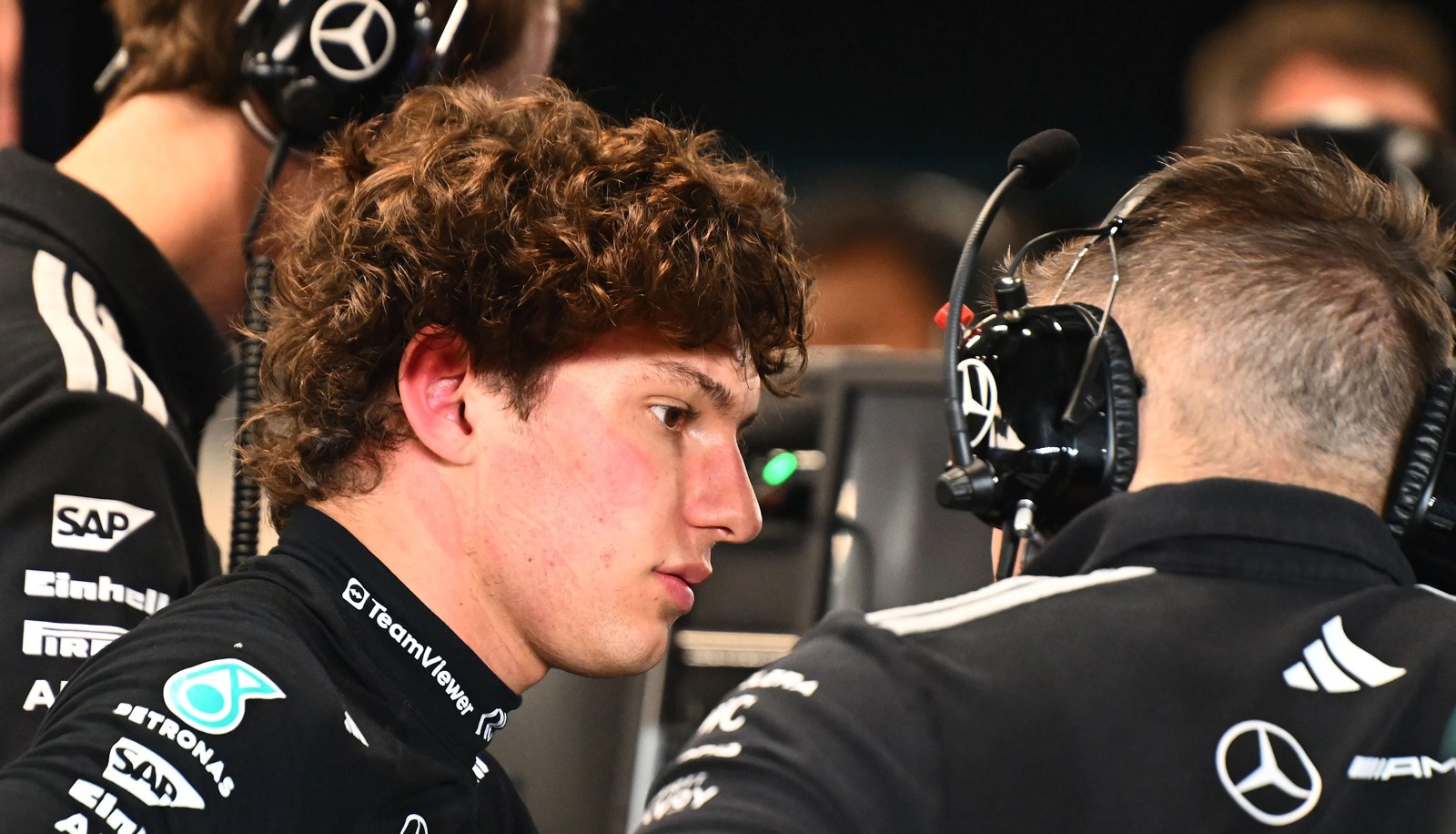
Kimi Antonelli asked Mercedes over the radio why the team had sent him out first for the final runs of Qatar Grand Prix qualifying. He had asked to go later. Team principal Toto Wolff said afterwards that Mercedes had prioritised giving Antonelli enough time to start his final flying lap. He acknowledged that the team could have taken more of a risk on timing after hearing the driver’s preference. Read the qualifying report
Different priorities for the last run
Antonelli was 0.175 seconds behind George Russell after their first Q3 flying laps. With one more opportunity to challenge for pole, he wanted to be the later of the two Mercedes drivers out on track. He said in his post-qualifying interview that this would have given him a better shot. He also pointed to the sequence of corners in the second sector, where he had struggled to put the lap together throughout qualifying.
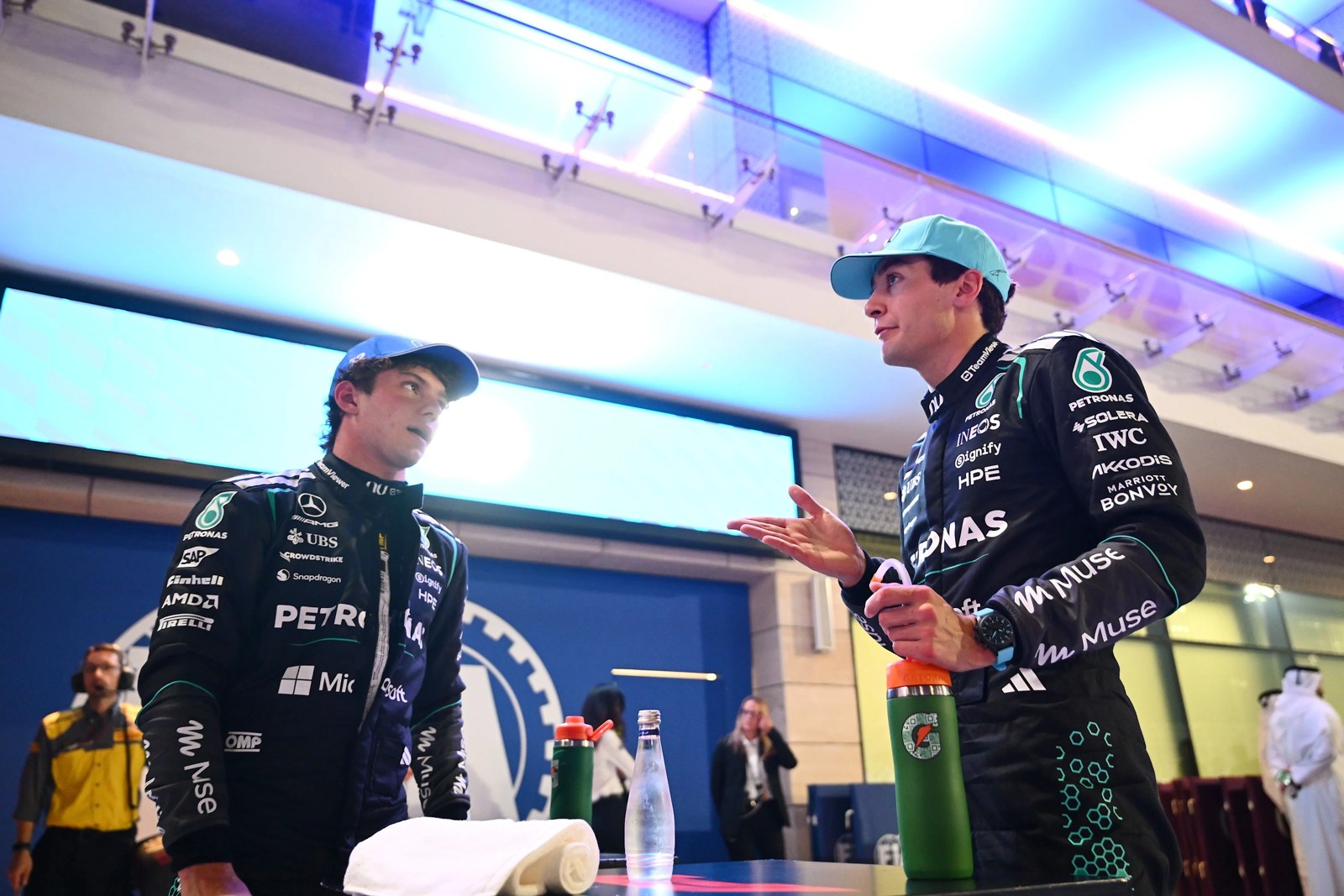
Wolff explained afterwards that Mercedes wanted to make sure Antonelli reached the timing line before the chequered flag. A later release leaves less time for the out-lap. A driver who gets the flag before crossing the line to start a timed lap loses that attempt. Antonelli was looking for a run order he preferred, while Mercedes was protecting the time available to start the lap.
INKA SPORTS analysis and summary: Balancing the time margin and driver preference
The FIA recorded Russell’s 1:21.695 at 21:53:03 local time. Antonelli set his best of 1:21.823 at 22:00:07, cutting the gap from 0.175 to 0.128 seconds. He found 0.047 seconds on his final run.
The dispute centred on how much time to leave for that final opportunity. Mercedes prioritised ensuring Antonelli could start a timed lap, and he did complete a faster one. Antonelli wanted the later slot of the two cars to give himself the run he preferred for a pole attempt. Wolff’s acknowledgement that the team could have accepted more timing risk makes the lesson a practical one: how to accommodate an explicit driver preference when choosing that margin. A final gap of 0.128 seconds put the decision under scrutiny, but the timing does not establish that reversing the order would have delivered pole.