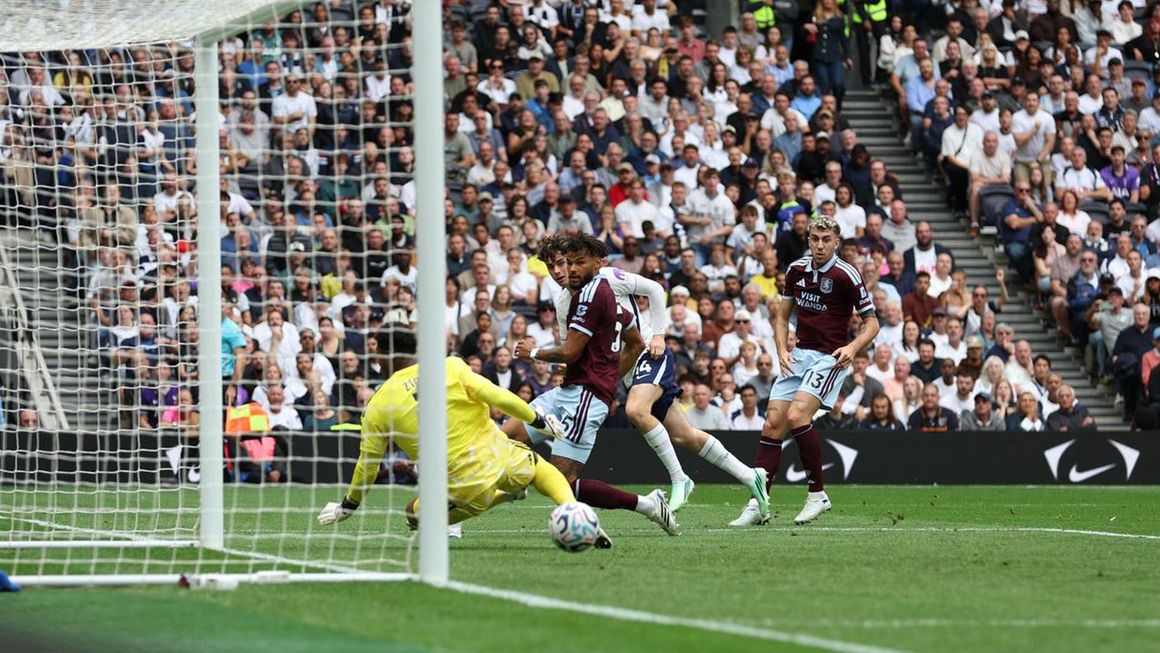
According to Tottenham’s official report on 19 September and Sky Sports’ post-match coverage, Aston Villa beat Tottenham Hotspur 3–2 away in the Premier League to record their first league win of the season. Manzambi, Nicolas Jackson and Buendia put Villa 3–0 ahead before Gallagher and Van Hecke scored late for Spurs. Tottenham remained winless after five matches. They created early chances without scoring, then conceded during a temporary numerical disadvantage and in a sequence stemming from a long ball.
From early saves to a three-goal Villa lead
Zion Suzuki helped Villa withstand Tottenham’s early pressure. In the 11th minute, he blocked Savio’s close-range shot and then tipped the follow-up over the crossbar. Pedro Porro was replaced by Gray in the 19th minute, and around a minute after coming on, Gray had a shot from a tight angle that Suzuki touched behind. After the resulting corner was cleared, Savio struck a volley that the visiting goalkeeper also saved.
Tottenham nevertheless conceded first in the fourth minute of first-half stoppage time. Van de Ven was then receiving treatment on the touchline after a blow to the head. Robertson tried to keep the ball in play near the byline but surrendered possession to McGinn. McGinn found Kamara, whose low shot was turned into the net from close range by Manzambi. Villa converted Tottenham’s temporary one-man disadvantage into the lead.
After the interval, Kudus put the ball in the net, but VAR confirmed that Robertson had been offside earlier in the move, leaving Tottenham 0–1 behind. In the 67th minute, Spurs’ defence failed to deal with Suzuki’s long goal kick. Manzambi laid the ball off to Jackson, who went past Van de Ven and scored with a low shot. Villa doubled their advantage from an attack that began with their goalkeeper’s long delivery.
Buendia made it 3–0 with a long-range strike in the 79th minute. Tottenham did not end their league goal drought for the season until the 86th minute, when Kudus combined with Marmoush and cut the ball back from the byline for Gallagher to finish from close range. In stoppage time, Suzuki also saved Maddison’s free kick. Van Hecke headed in Robertson’s free kick in the eighth added minute, but with the final whistle approaching, Tottenham still lost by one goal.
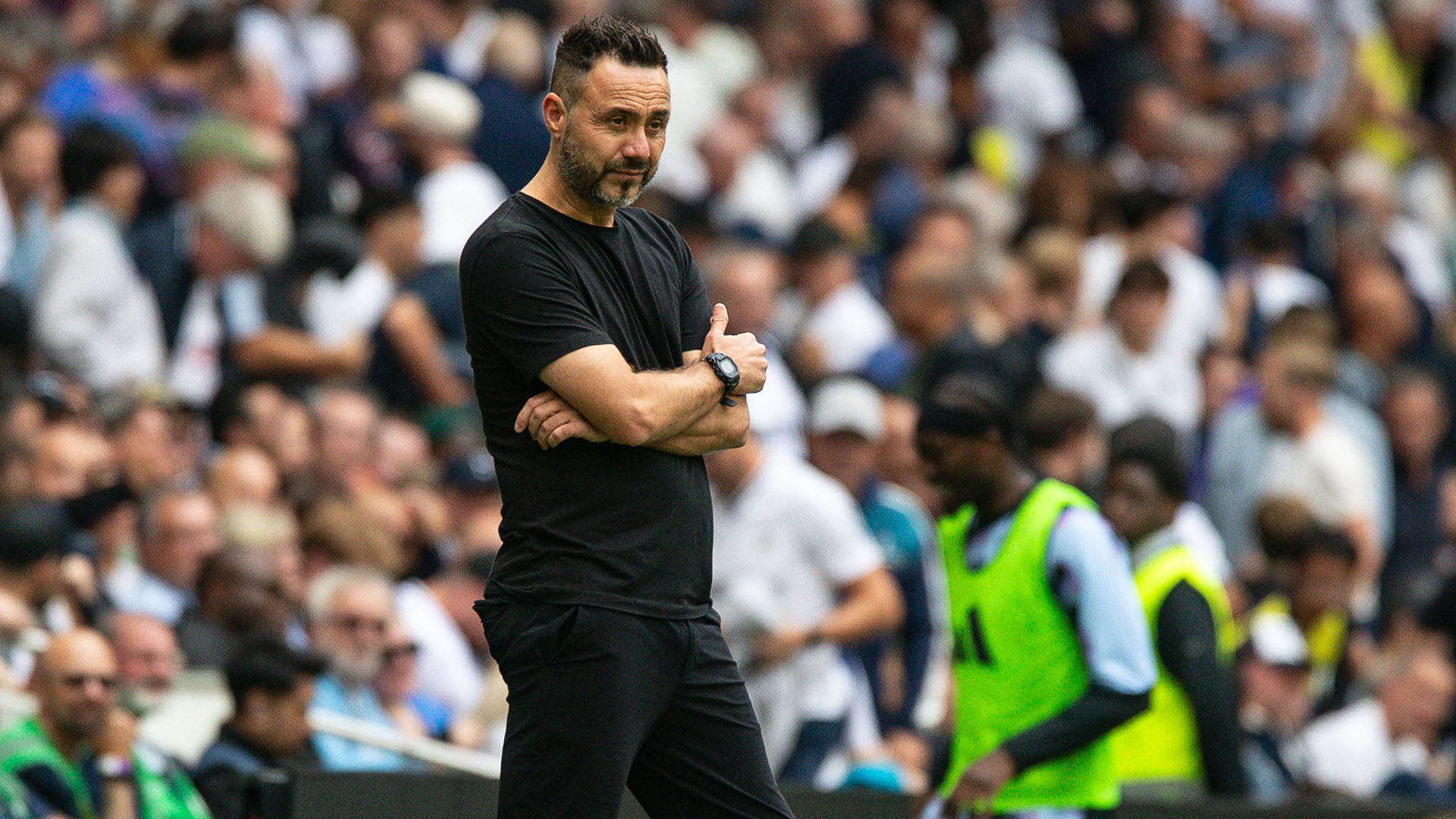
In the full post-match press conference published by the club, De Zerbi identified the defensive organisation for the first goal as a principal issue. He said Bentancur had been instructed to cover temporarily at centre-back, with Fernandes moving into midfield. The team needed stronger communication and compactness during its brief spell with ten players. Van de Ven’s departure for treatment required those on the pitch to adapt immediately, but Spurs conceded during that phase.
Discussing the second half, De Zerbi said the team forced passes and forward moves because they were behind, creating more space for Villa to counterattack after possession was lost. He was particularly unhappy that the second goal came from an opposition goal kick, saying Villa’s long-ball approach had been discussed before the match. He accepted responsibility while stressing that his team could not keep the ball near the opposition penalty area all the time: when it had to defend, it needed to remain compact.
Goals
| Minute | Team | Scorer | Tottenham–Villa |
|---|---|---|---|
| 45+4 | Villa | Manzambi | 0—1 |
| 67 | Villa | Jackson | 0—2 |
| 79 | Villa | Buendia | 0—3 |
| 86 | Tottenham | Gallagher | 1—3 |
| 90+8 | Tottenham | Van Hecke | 2—3 |
INKA SPORTS Analysis: Why early attacking pressure did not preserve Tottenham’s chance to recover
Suzuki’s sequence of saves prevented Tottenham’s early advantage from becoming a lead. Villa’s next two goals exposed problems in the home team’s response when defensive tasks changed. The first came when a centre-back had left for treatment and temporary cover was required. The second began directly from a long goal kick, followed by Manzambi’s lay-off and Jackson’s shot. Those sequences allowed Villa to bypass Tottenham’s earlier sustained attacking rhythm. Spurs’ task expanded from creating chances to protecting their defence while chasing the score.
That explains why De Zerbi placed communication and compactness at the centre of his response. Temporary cover had been assigned, but the players still needed to execute it once play resumed. The long-ball approach had been discussed in advance, but the initial contest and the next reception still had to be handled. The specific tests ahead are whether Tottenham can reorganise promptly when temporarily a player short, stop forwards linking up quickly after an opposition long ball, and reduce counterattacking opportunities caused by forced passes when trailing. The two late goals demonstrated ways to score, but Spurs were already three behind and the second came too close to the finish, leaving very little time to recover.
Conclusion
Villa’s first win was built on Suzuki keeping them level early, followed by the team exploiting changes in Tottenham’s defensive organisation and extending the lead. Spurs finally ended their league scoring drought, but still needed to improve temporary cover, long-ball defending and passing decisions when behind if their attacking chances were to retain the power to change results. The 3–2 scoreline left a one-goal margin; the process of conceding three first showed that preserving the opportunity to recover matters before closing the score.