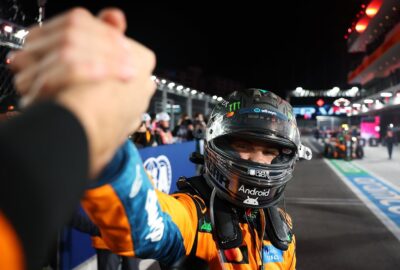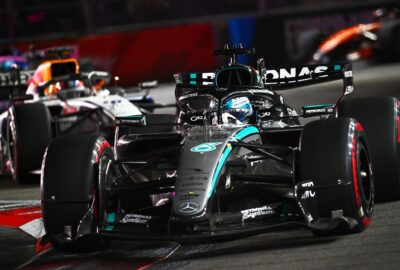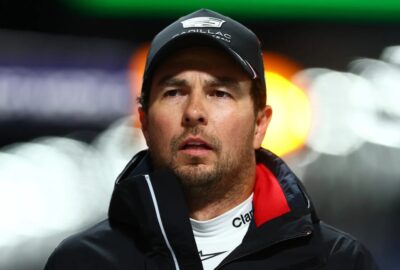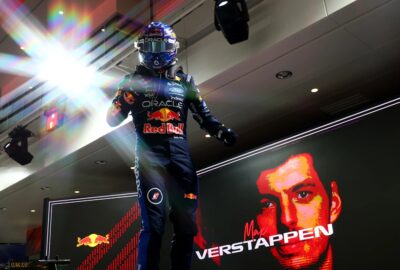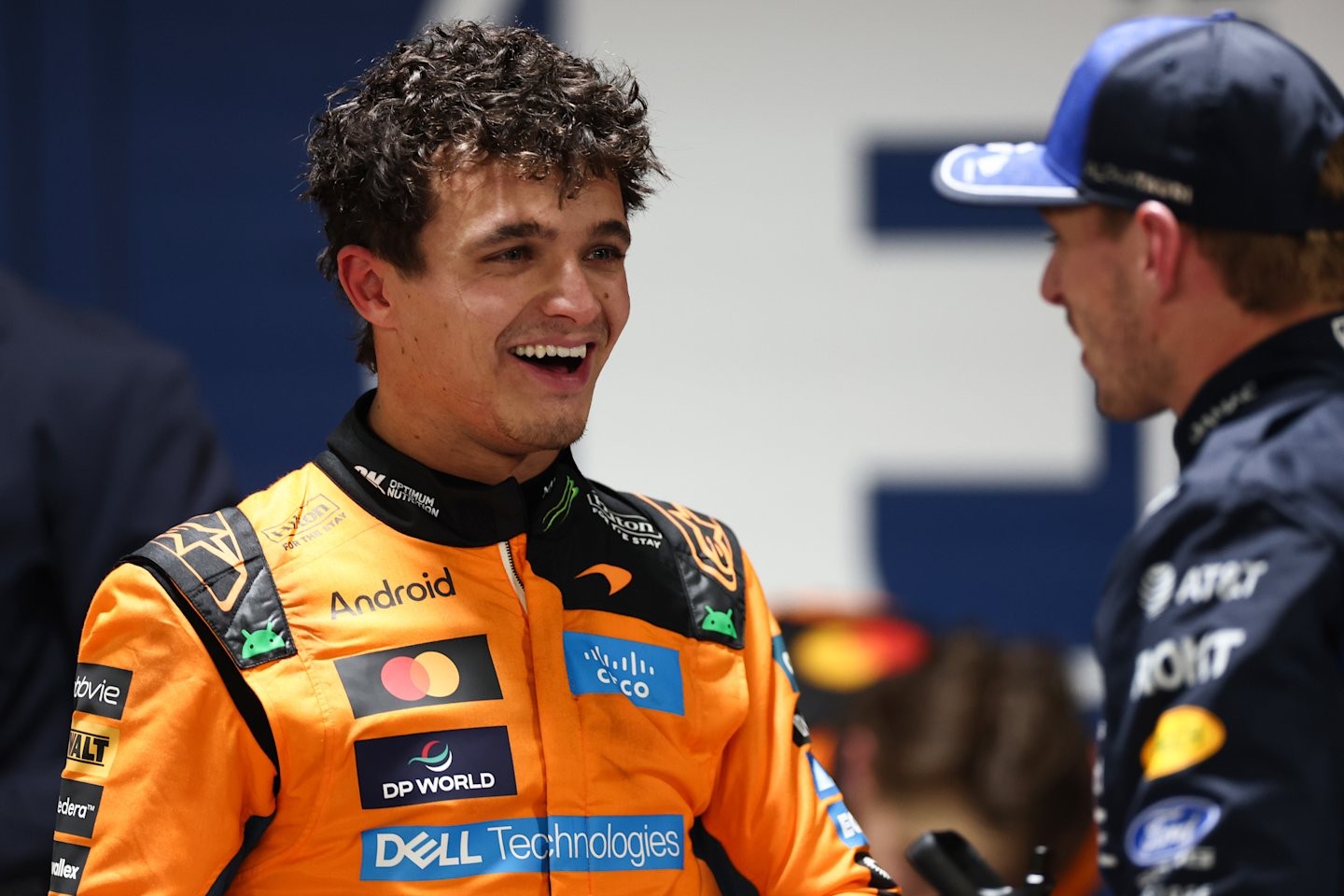
Norris joked that he had led for about fifteen seconds. His assessment of second place was more serious: he considered it the best result available. At the FIA press conference, a question about finding speed in the second half prompted him to challenge the premise.
The pace was there in the first stint
It had nothing to do with the tyres, Norris said. Early on he was still working out where to use the battery. Often, just as one car passed, he had little energy left while the next driver behind still had some to deploy. A single lost place could quickly become several.
He reckoned he had been pressing buttons about nine times a lap to get the settings right. The team fed information back to him throughout. He joked that he spent more time looking at the battery than at the road. His point was about timing: by the time a rival had passed, the chance to prepare a counterattack might already have gone.
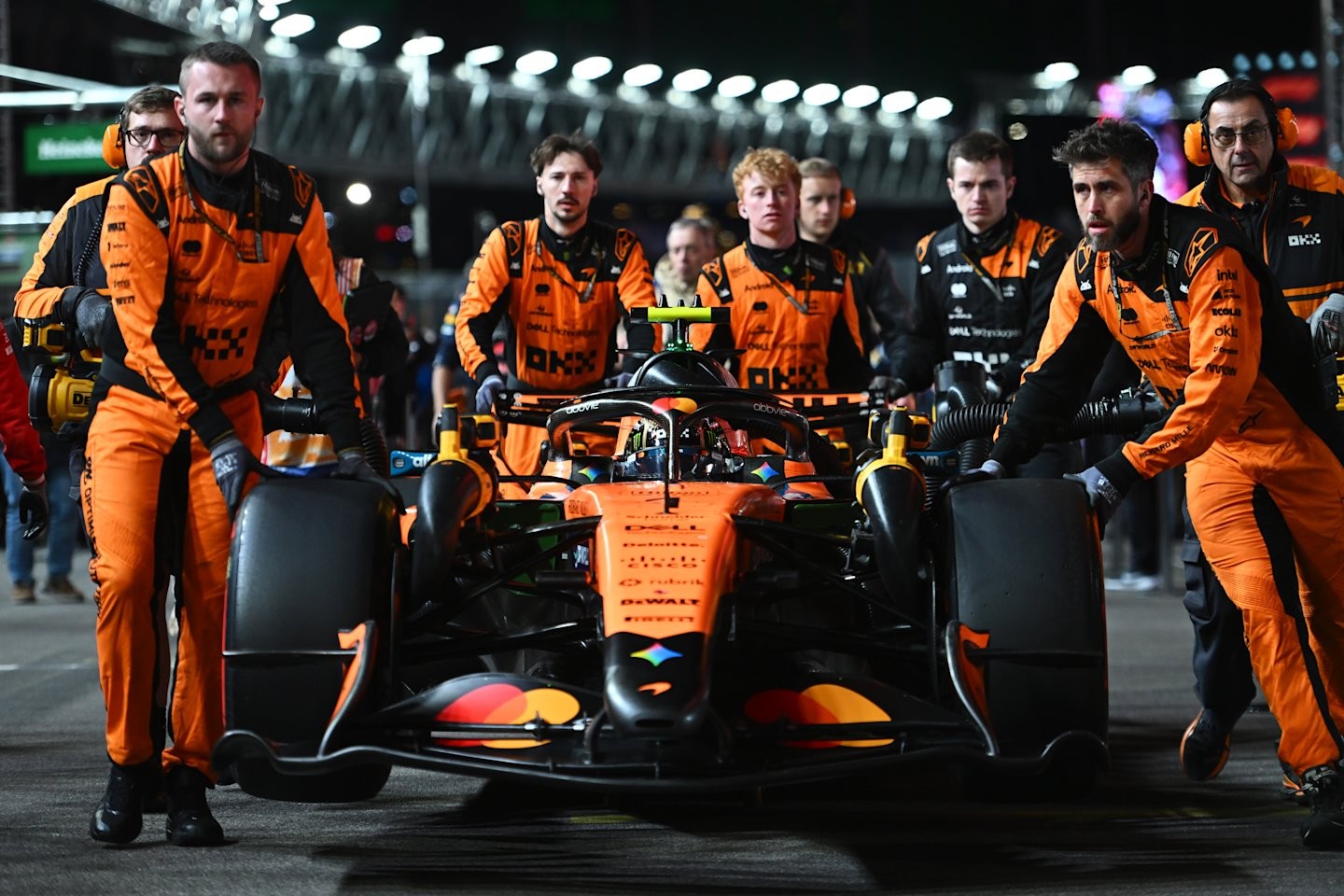
INKA SPORTS Analysis: Positioning for the final three or four laps
The Safety Car helped him recover ground. In the last three or four laps he concentrated on positioning, slipstreams and energy, keeping clear of trouble around him. He praised Verstappen for making no mistakes up front and said second and third exceeded his expectations for McLaren going into the race.
Norris distinguished the tow in Straight Mode from the effect of battery deployment. Following another car could bring him closer. To turn that gain into a finishing position, he also needed energy available at the right point. His recovery came from learning how to use the pace he already had.