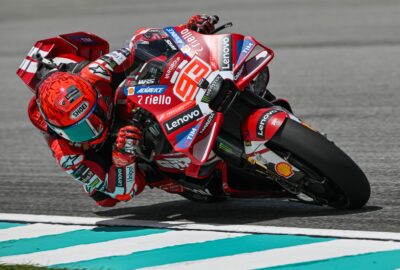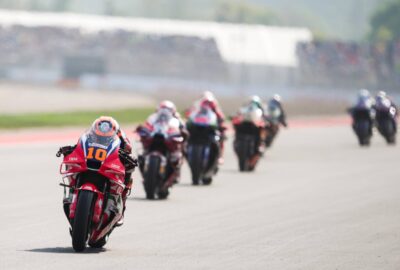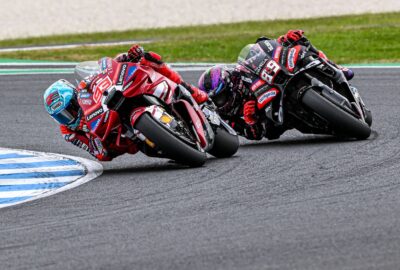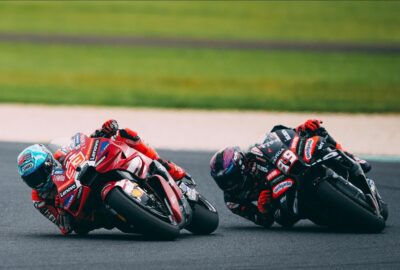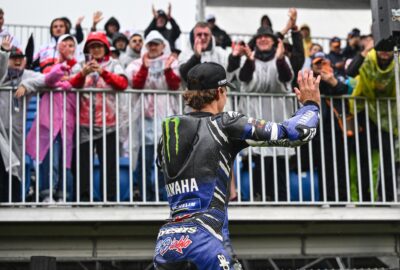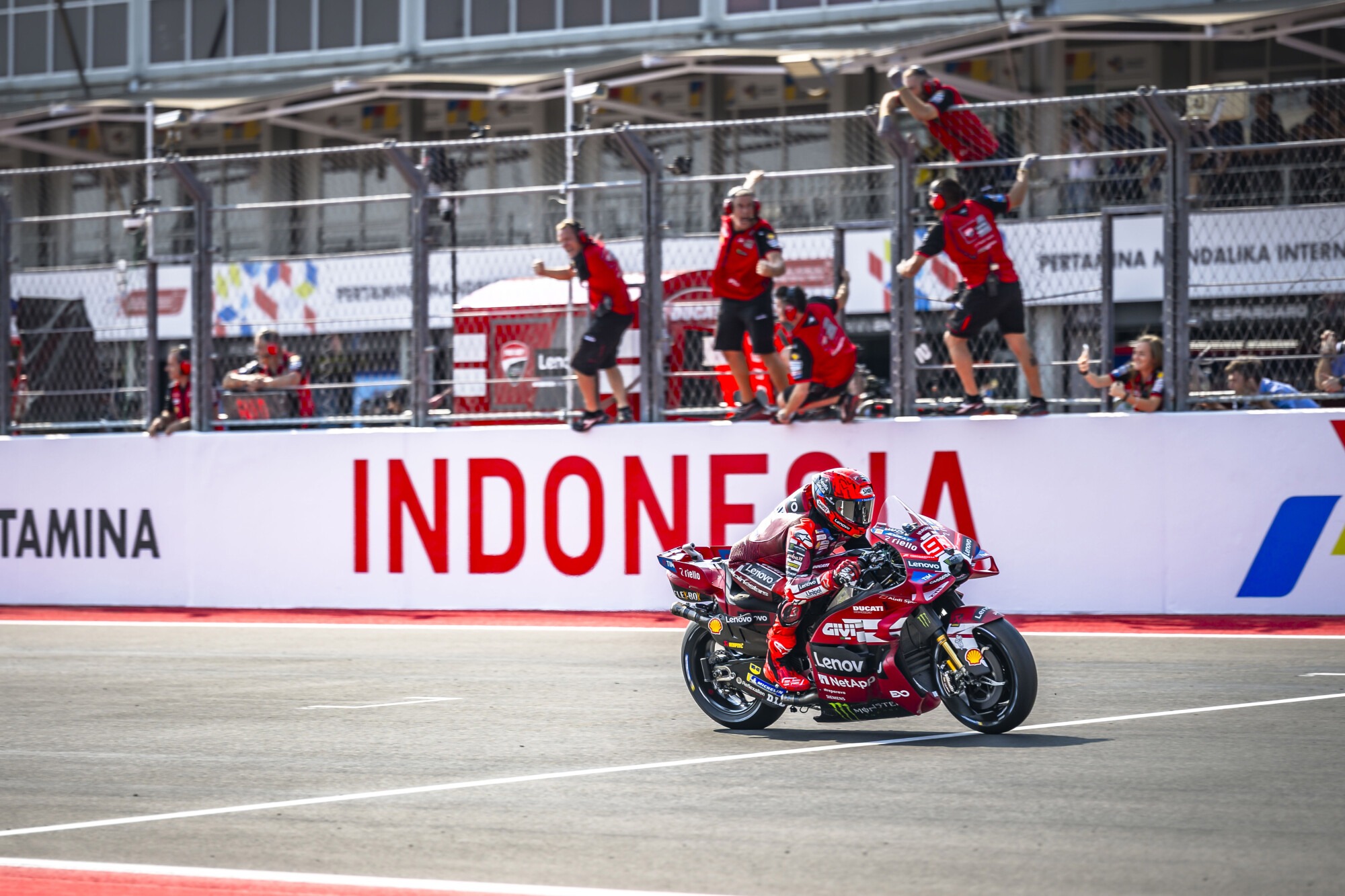
Marc Márquez won the Indonesian Grand Prix Sprint for Ducati on October 10, while Francesco Bagnaia finished eighth. In the team’s post-race report, the two riders described different challenges: Márquez had to adjust the balance between chasing his rival and managing risk, while Bagnaia attributed his early losses to a rear tyre that took too long to reach its working temperature.
Márquez changes his approach to the chase after lap three
Márquez started fourth and moved up to second after the start. He said his initial priority had been to lose as few points as possible to Jorge Martín, which made him particularly pleased to have won.
He had wanted to attack Martín early in the race, but a scare on lap three made him realise it would be difficult to keep following so closely. As his own rhythm gradually improved and Martín encountered problems, Márquez took the lead with five laps remaining.
Once ahead, he chose to leave himself a safety margin instead of pushing to the limit in every section. He specifically noted that he was aware Ducati still had difficulties in the second sector.
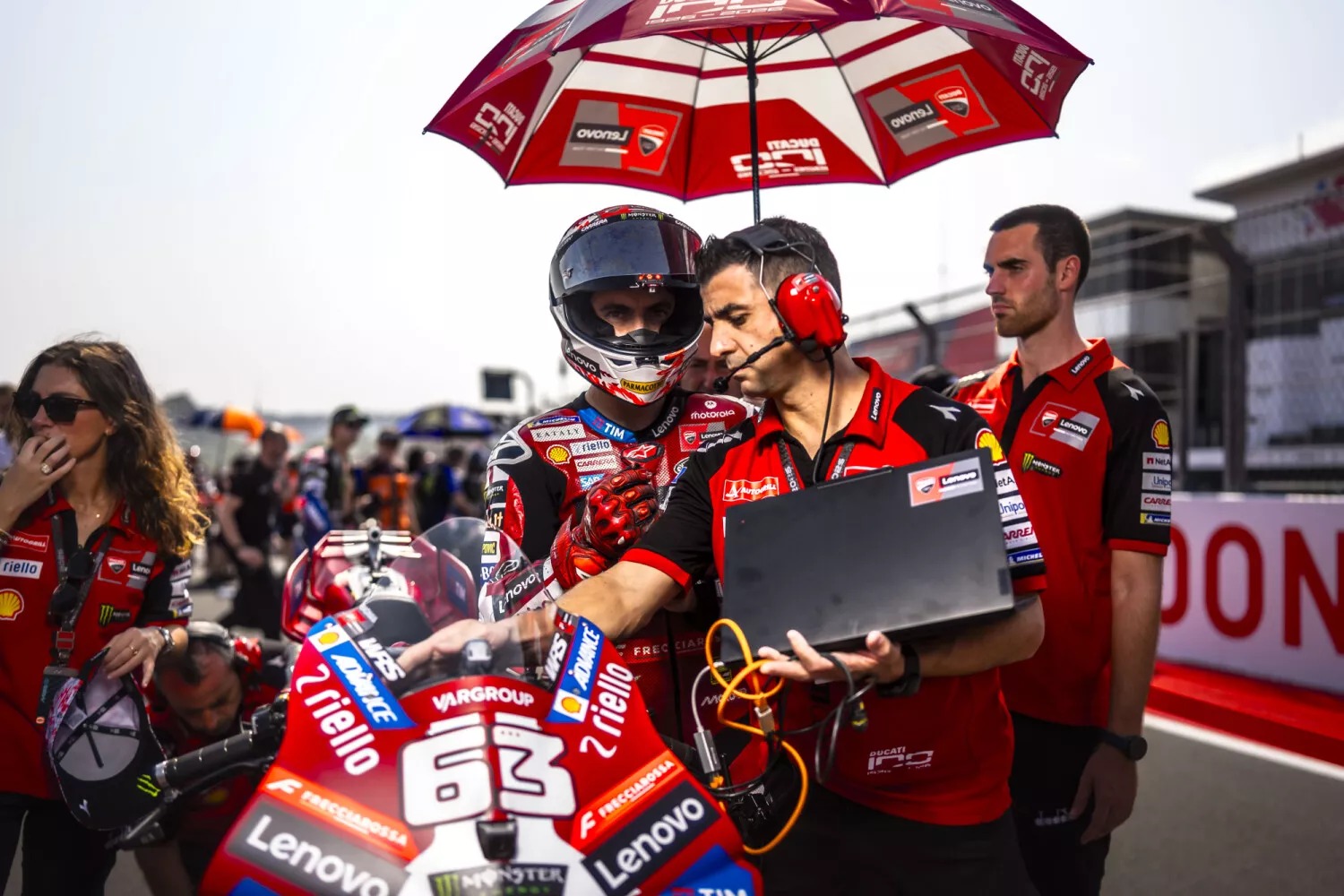
Bagnaia: decent late-race pace, but too much time already lost
Bagnaia started tenth, moved up to eighth after the start and held that position to the finish, fending off Fabio Quartararo in the closing stages. Afterwards, he explained that he had not been able to put enough energy into the rear tyre. It did not reach the required temperature until after lap seven, which cost him a substantial amount of time at the start.
Bagnaia attributed that problem to his own performance. He felt his pace late in the race was not bad, but the early difficulties had made recovering ground more complicated. As well as struggling in the second sector, he was less effective in the other sectors than his team-mate, who had performed strongly. The full results are available in our Indonesian Sprint report.
INKA SPORTS analysis: in a 13-lap race, an improvement that arrives late is hard to capitalise on
This race lasted only 13 laps. By Bagnaia’s own account, more than half of it had passed by the time his rear tyre was working properly. Even if he could increase his pace towards the end, he had considerably less distance left in which to close the gap and overtake. Looking only at his final laps would therefore understate the cost of the ground he lost early on.
Márquez faced a different trade-off. The scare on lap three warned him that continuing to follow closely carried additional risk. By the time he later took the lead, he already understood the weakness in the second sector, and leaving a margin helped him retain first place to the finish. His victory involved managing his pace, but also depended on the opportunity created when the rider ahead ran into problems.
Conclusion
Ducati’s victory does not mean both its bikes were already performing ideally at Mandalika. Márquez seized his opportunity and controlled the risks, while Bagnaia’s late-race pace arrived too late. Sunday’s Grand Prix is scheduled to run for 27 laps. The questions will be whether Bagnaia can reduce his losses at the start and whether Márquez can maintain his rhythm through the sections where he still has weaknesses.