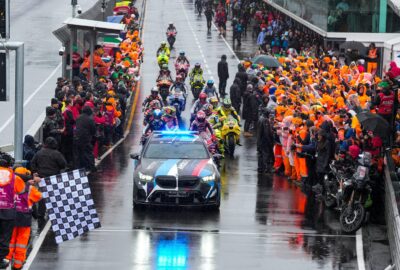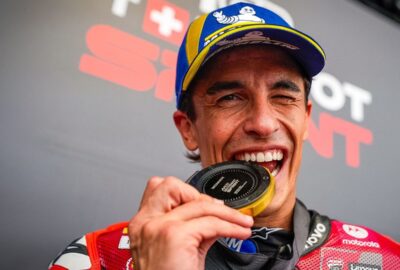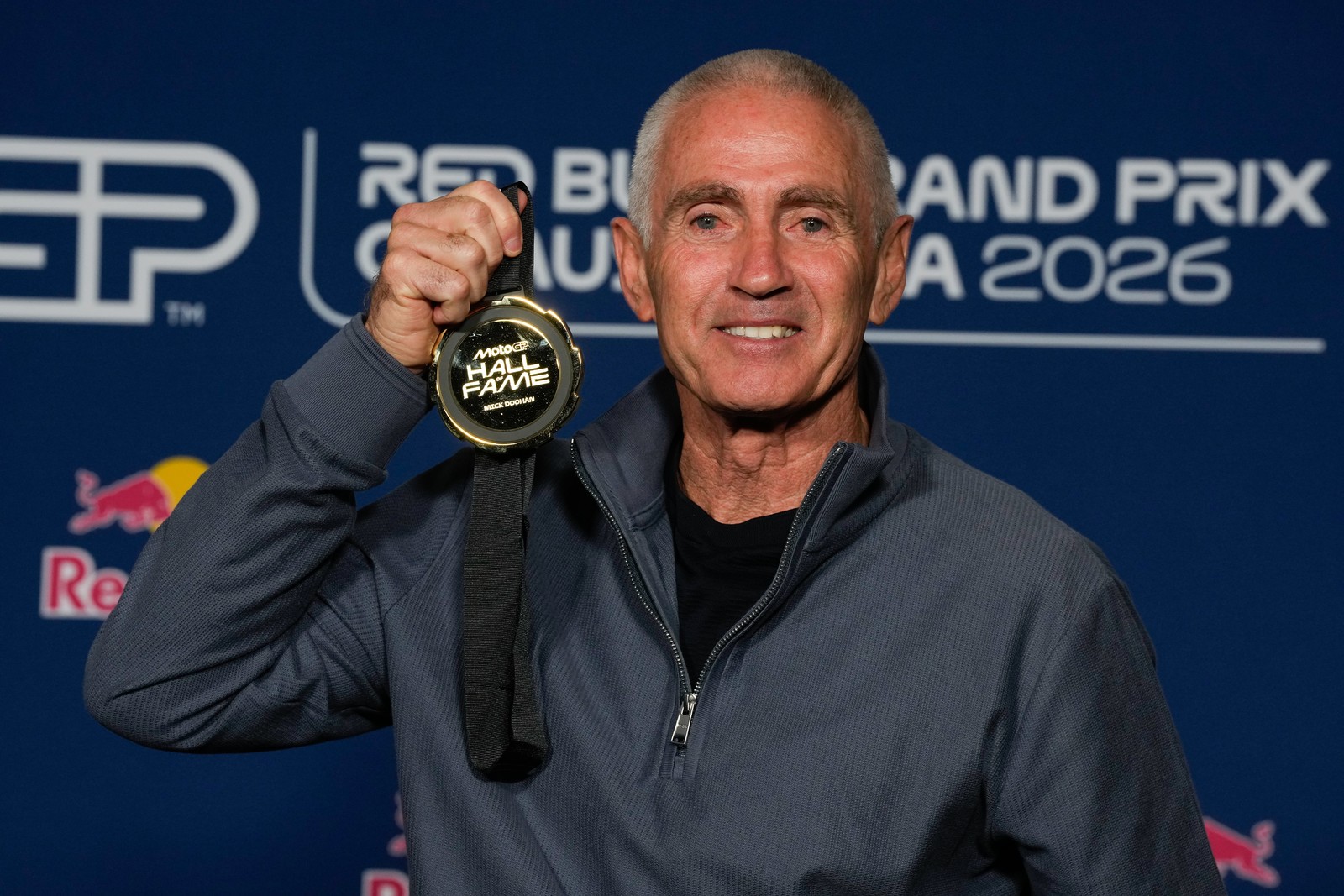
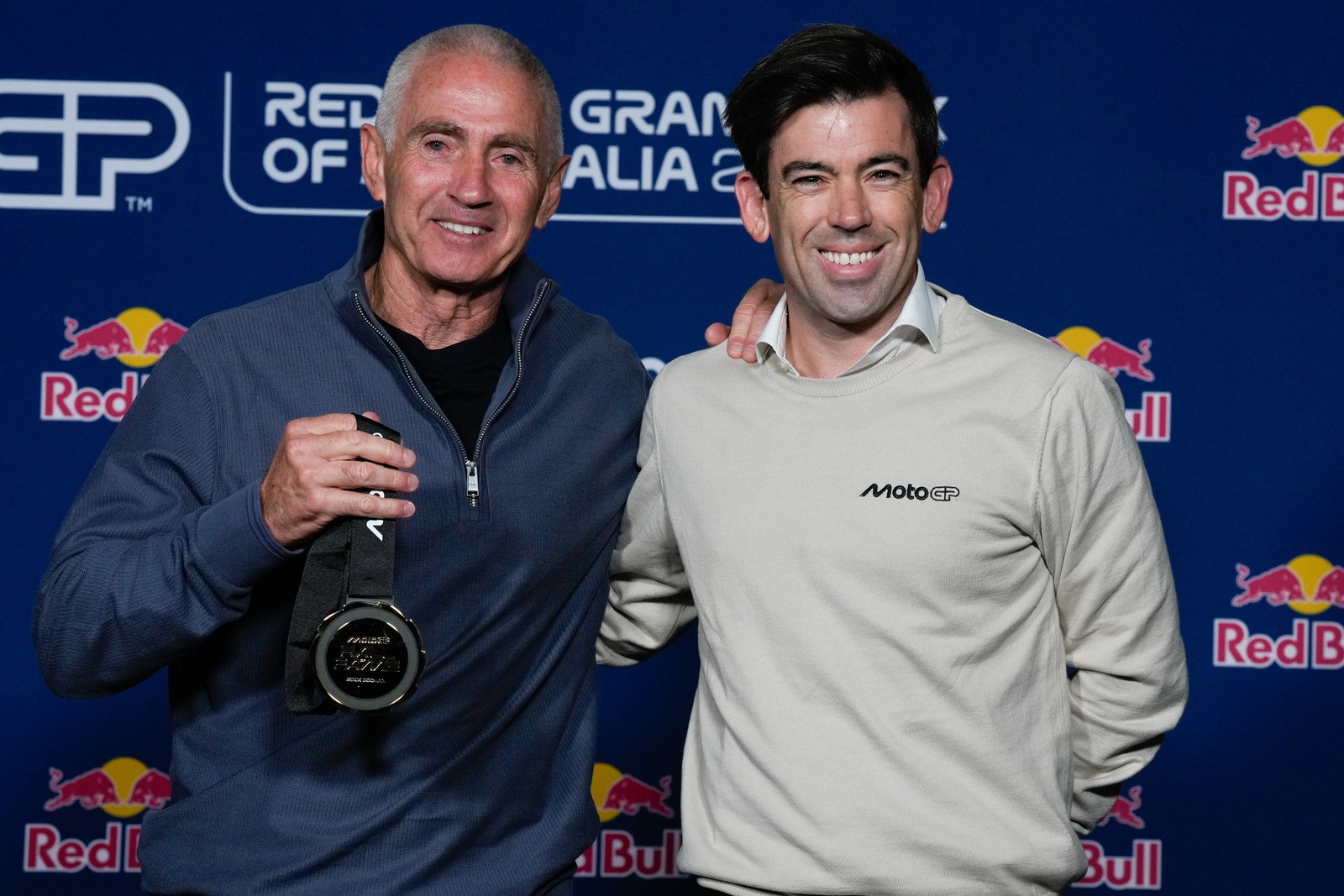
Australian great Mick Doohan received his MotoGP Hall of Fame medal at the 2026 Australian Grand Prix at Phillip Island on October 24. The home ceremony honored the rider from Queensland's Gold Coast who dominated the premier class for five consecutive years.
MotoGP's announcement recalled 54 victories, 95 podiums and five successive world championships from 1994 to 1998, all in the then-premier 500cc class. Understanding the honor requires placing those titles in his career: from entering the world championship to adapting his controls after serious injury and establishing sustained championship-winning form.
From world championship debut to a first victory
Sport Australia Hall of Fame's career profile records Doohan's 500cc world championship debut at Suzuka, Japan, in 1989. His first podium came that year with third at Hockenheim in Germany. In 1990, he claimed his first career victory on a Honda at Hungary's Hungaroring.
A thumb-operated rear brake adapts to the effects of serious injury
A major setback came in 1992. Brake manufacturer Brembo recalled that Doohan badly injured his right leg in a crash during practice at the Dutch round and faced the risk of amputation. His leg was saved, but movement in his right foot was affected. In 1993, he still struggled to control the rear brake with the precision he had before the injury, leaving a practical riding problem alongside rehabilitation.
Brembo developed a thumb-operated rear brake, moving the operation normally performed by the right foot pedal to the left handlebar so Doohan could control rear braking by hand. Its purpose was to adapt to his post-injury condition and restore the control he needed. Returning was therefore not simply a matter of enduring pain: it involved specific adjustments to the controls by rider and engineers.
Twelve wins from fifteen races in 1997 during the five-title run
Doohan began his championship streak in 1994 and continued through 1998. Honda's review of the previous season, published in 1998, detailed the particularly representative 1997 campaign. Riding a Repsol Honda NSR500, he won the Malaysian opener and secured his fourth consecutive world title at the British round with four races remaining.
The season comprised 15 races. Doohan won twelve and took twelve pole positions. Based on Honda's published calendar and win total, he won 80% of that year's races.
INKA SPORTS analysis: Sustained dominance and a single-season peak
Five successive titles and twelve wins in one season show two aspects of Doohan's achievement. The former spans 1994–98 and reflects competitiveness across multiple seasons; the latter illustrates how concentrated his wins were in 1997. Together, they explain his standing as one of the defining premier-class champions of the 1990s more fully than a career total of 54 victories alone.
Between the serious injury in 1992 and the start of his title streak in 1994, Doohan underwent rehabilitation and adapted his riding controls. The thumb rear brake is a concrete example: matching controls to changed physical conditions formed part of restoring his competitiveness. The medal therefore recalls both championship figures and the process of rebuilding his ability to ride.
Conclusion: A home medal honors a complete championship journey
Doohan ended his career in 1999. The Phillip Island presentation brought his early breakthroughs, return from injury and five-title achievement back to the Australian Grand Prix. The honor recognizes both his record of 54 wins and 95 podiums and a career in which he remained at the front of the premier class after major physical change.