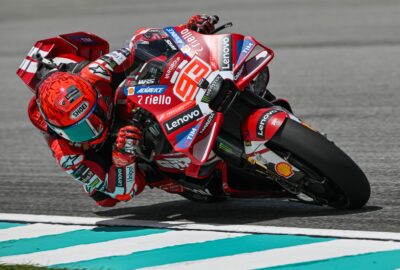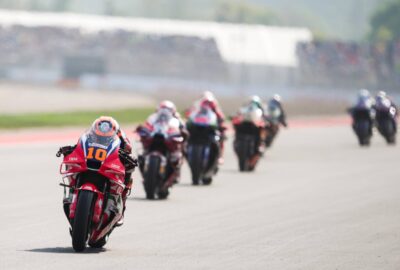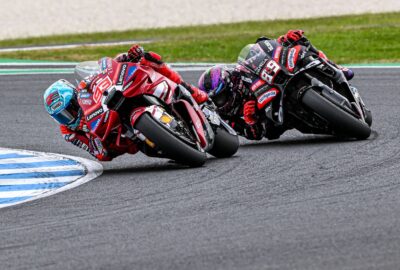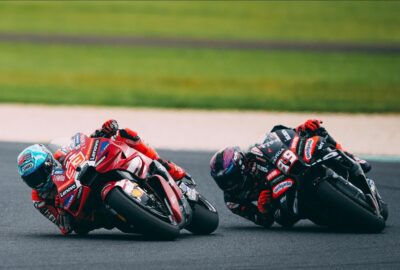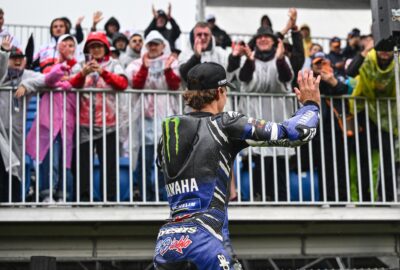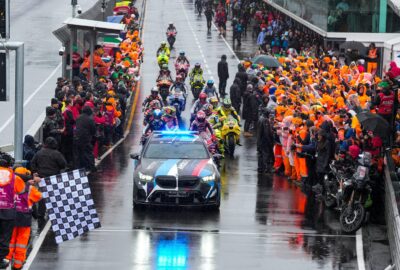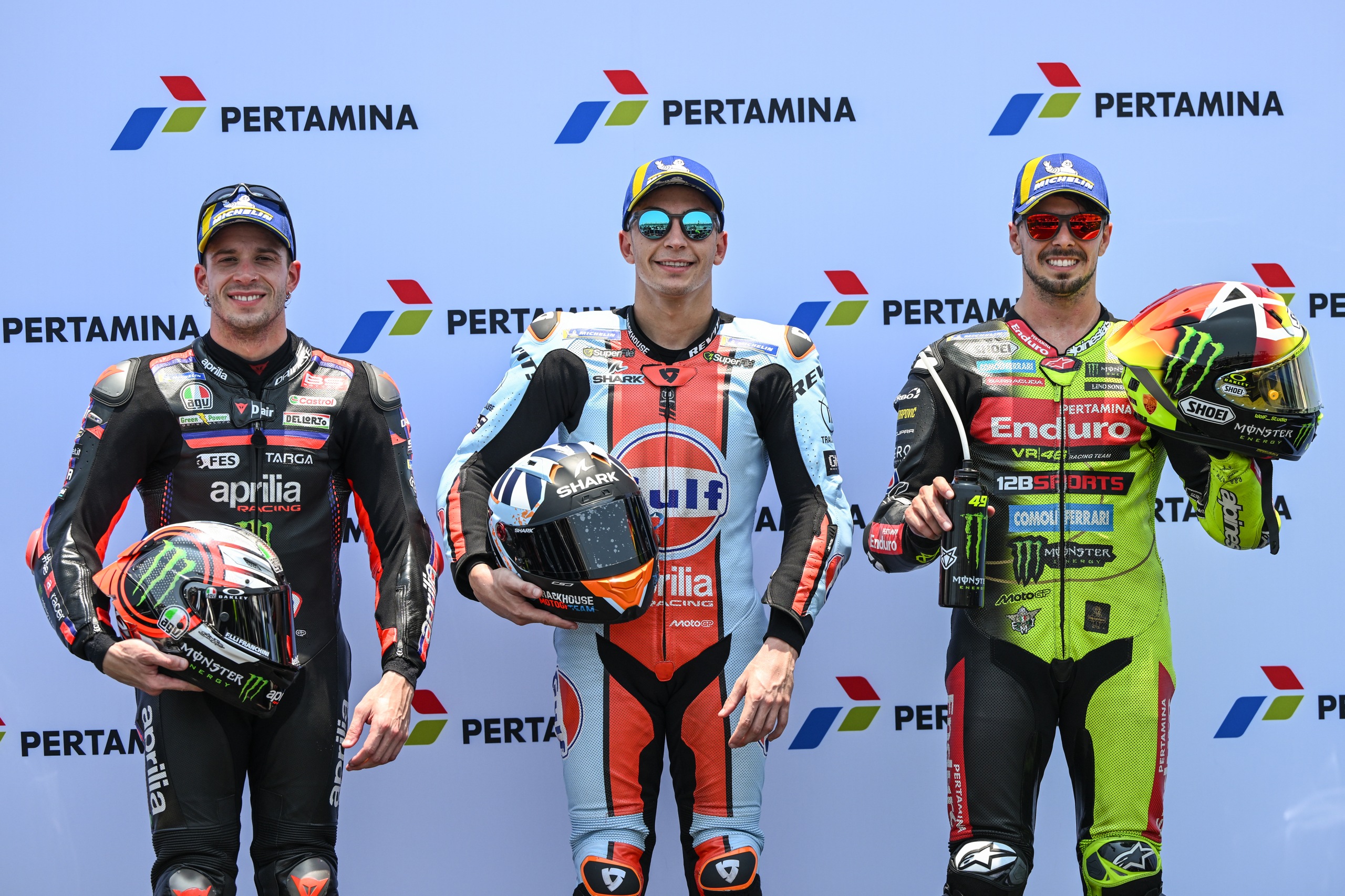
Raul Fernandez finished second in the MotoGP Indonesian Grand Prix on October 11. In a post-race interview published by Motorsport.com, he explained that his injured right index finger was the one he normally used to brake. His first challenge that day was therefore finding a way to control the bike with a different hand movement.
Adjusting hand position before warm-up and adapting to braking again
Fernandez said one fractured finger had been identified after Saturday’s Sprint, and a fracture in another finger was confirmed on Sunday morning. The team adjusted his hand position and braking controls so that he could brake with his middle finger. He had only the pre-race warm-up to adapt to the new technique.
He explained in the interview that the braking and corner-entry references built up throughout the weekend all needed to be adjusted. With familiar movements changed, even being able to tolerate the pain still left him needing to reassess how to apply the brake and bring the bike into a corner.
Fernandez said the pain had become very severe by laps 13–14, making it difficult to concentrate on his handlebar inputs and avoid mistakes. He also thanked the MotoGP medical team for stabilising his fingers, considering its help crucial to his ability to race.
INKA SPORTS analysis: second place required rebuilding a riding technique at short notice
The change in braking technique presented more than a risk of losing single-lap speed. Fernandez’s right hand had to keep controlling braking and steering in a new way, with little opportunity for extended practice. He could not simply carry over his established rhythm from the weekend. Adjusting the controls first made it possible for him to ride; warm-up and the race then tested whether he could repeat the new movements consistently.
That also explains his repeated references afterwards to braking markers and concentration. Second place records the result, while his description of the changed movements explains the specific difficulty of completing the race. As pain intensified in the second half, reliably repeating those movements had itself become an important task.
Conclusion
Fernandez changed his braking technique at short notice and completed a Grand Prix in second place. His feedback put the challenge of racing injured into concrete terms: adapting again to corner-entry movements and maintaining consistency as the pain increased.