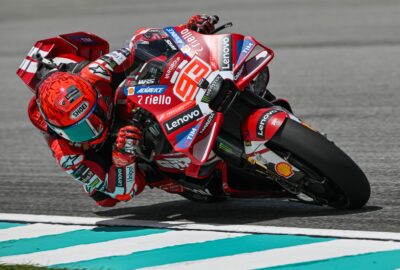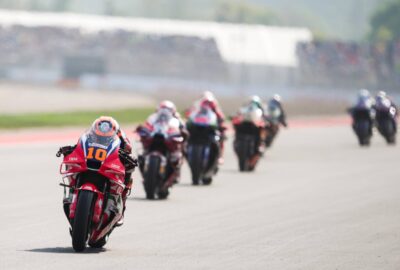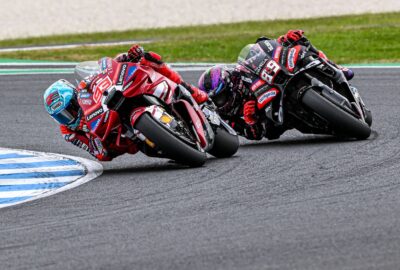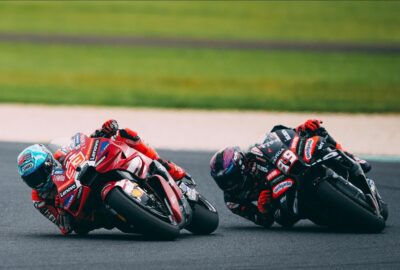
After the Indonesian MotoGP Grand Prix on October 11, KTM rider Acosta valued fifth in a difficult race but said front-tire pressure disrupted his Márquez battle. In KTM's report he described repeatedly letting him through and trying to recover, losing time as Ogura approached.
From tenth on lap one to fourth, then pressure-related position changes
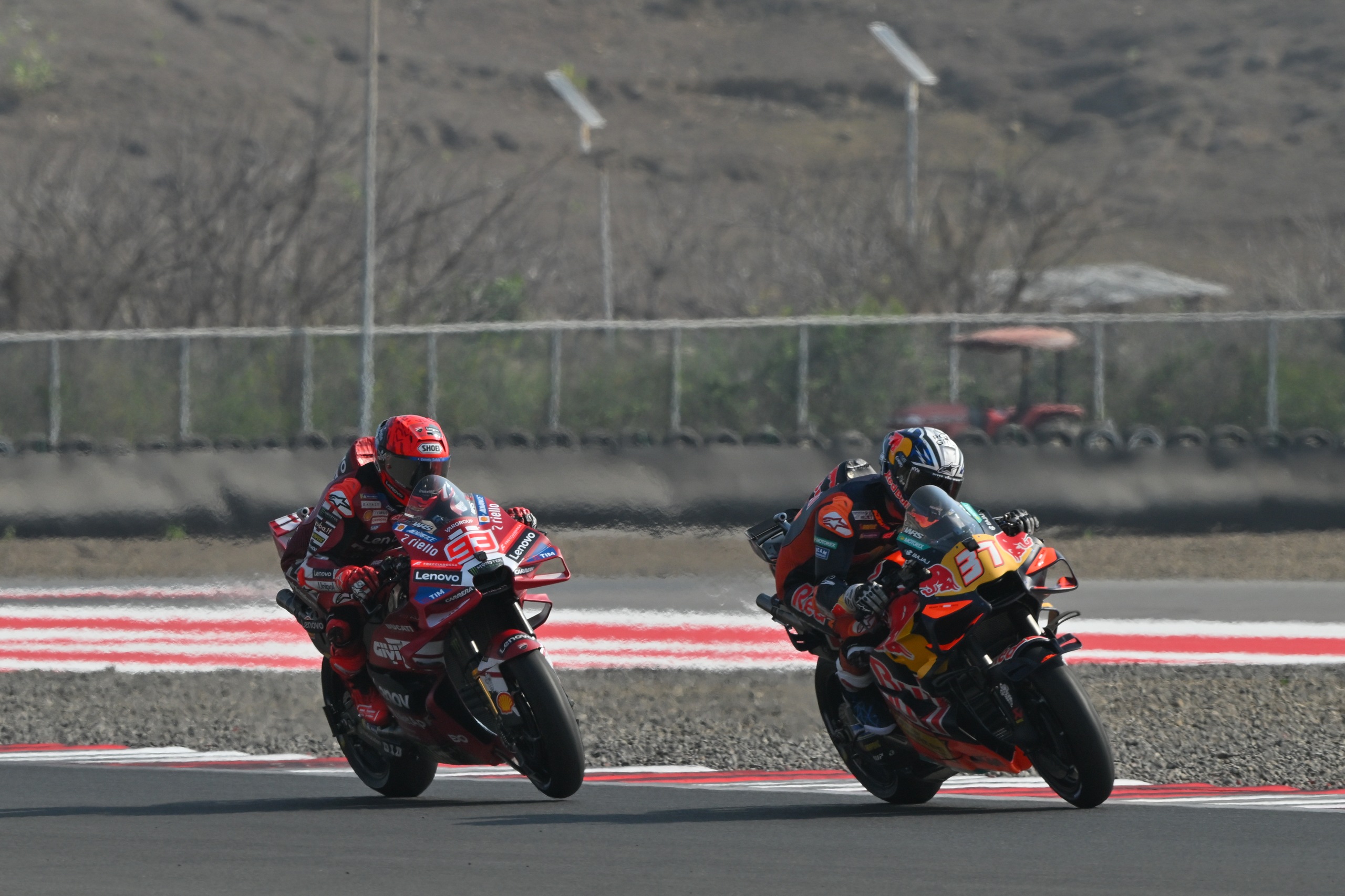
Starting ninth, Acosta ended lap one tenth, joined the top-five battle and passed Márquez for fourth. KTM confirmed position adjustment for pressure, meaning exchanges included deliberate changes alongside attack and defense.
Michelin has explained that following reduces fresh cooling airflow to the front, potentially increasing temperature and pressure. Position thus affects tire state as well as racing, explaining why yielding and following can manage pressure.
MotoGP's recap recorded Márquez moving ahead on lap thirteen and another Turn 10 exchange two laps later. Ogura joined late, fought both and retained fourth. Acosta took fifth and eleven points, his tenth Grand Prix top five this season and best non-Aprilia here.
A rider's proposal: Check minimum pressure before starting
Acosta said repeated yielding and passing cost considerable time and affected his top-four chance. Still, it was clearly better than Saturday and maximized the result. Team Manager Aki Ajo praised management under that difficulty.
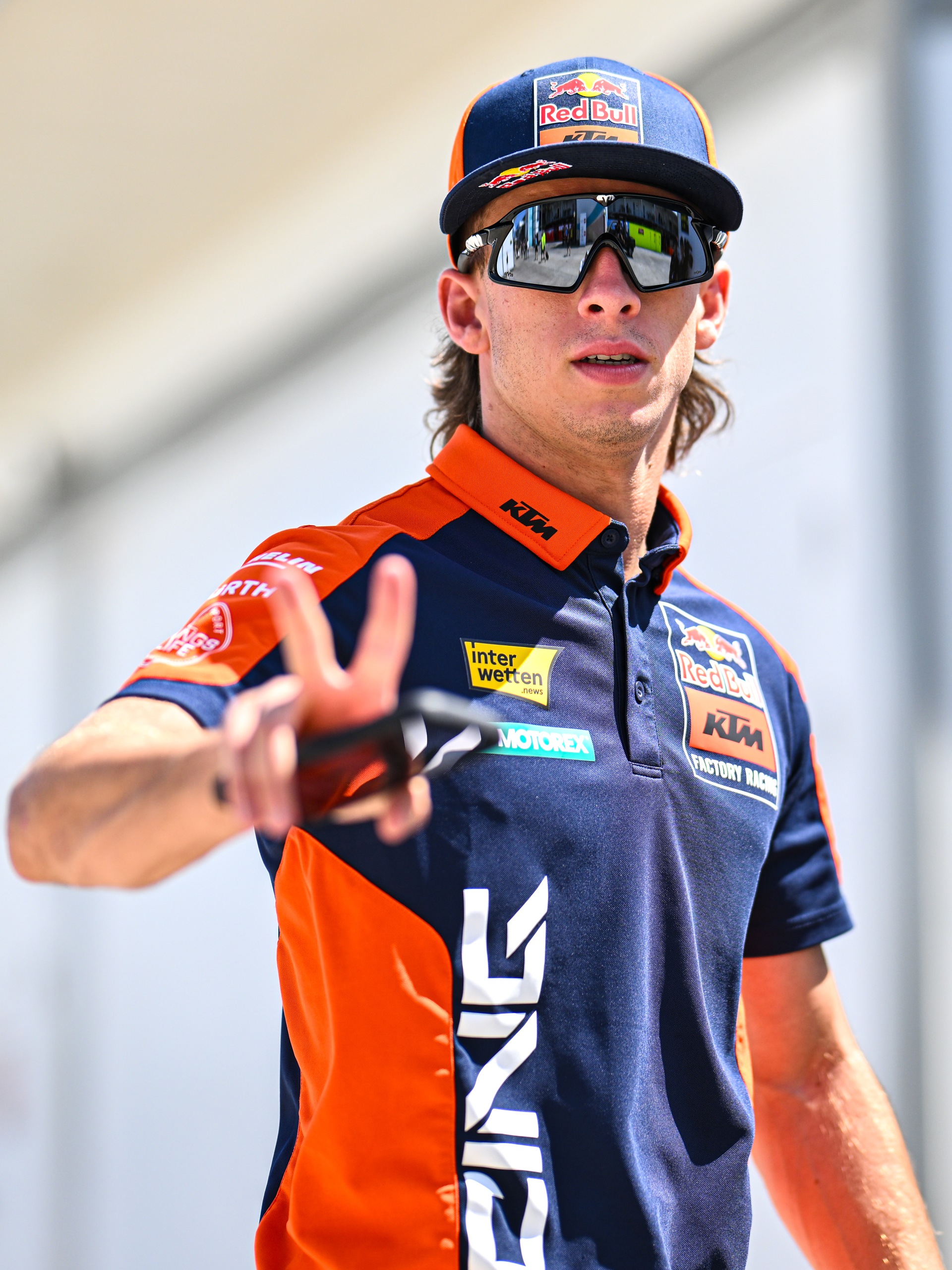
In Motorsport.com's interview, he advocated pre-start minimum-pressure checks followed by racing naturally: riders can anticipate traffic but cannot control others' actions. This is a proposed enforcement change. Márquez acknowledged pressure issues too but did not see them as decisive in losing to Acosta.
INKA SPORTS analysis: Position exchanges create chances behind
Yielding loses track order; passing again requires a fresh opening. Recovering the same place still consumes time, so alternating leaders alone understates the rhythm cost.
Time lost through pressure management does not mean Acosta would necessarily have held fourth without that disruption. Acosta also admitted Ogura was faster. Adjustments helped the pursuer close, but Ogura's pace and late racing influenced the outcome too. KTM must reduce repeated exchanges without ignoring the speed difference.
Conclusion
Fifth continues Acosta's front-running consistency, while his account explains how managing front-tire pressure while maintaining attacking rhythm demanded both attention and time. Ogura converted closing into passing, leaving Acosta eleven points.